
Blog / How to Become a Social Media Manager: A Step-by-Step Career Guide
Sundance Blog
How to Become a Social Media Manager: A Step-by-Step Career Guide

Digital Marketing and Social Media Management Diploma
Employment Opportunities:
- Digital Marketing Assistant/Coordinator
- Advertising Account Executive
- Marketing Assistant/Coordinator
- Content Marketer
Digital Marketing and Social Media Management Learn more
Student aid eligible
29 June 2026 | Author: Nick Greene
| Read Time:
Quick Answer
Becoming a social media manager requires practical experience, foundational knowledge, and a strong portfolio. Key skills include content marketing, analytics, SEO, and social media strategy. Structured, hands-on education is the fastest path to your first role.
Table of Contents
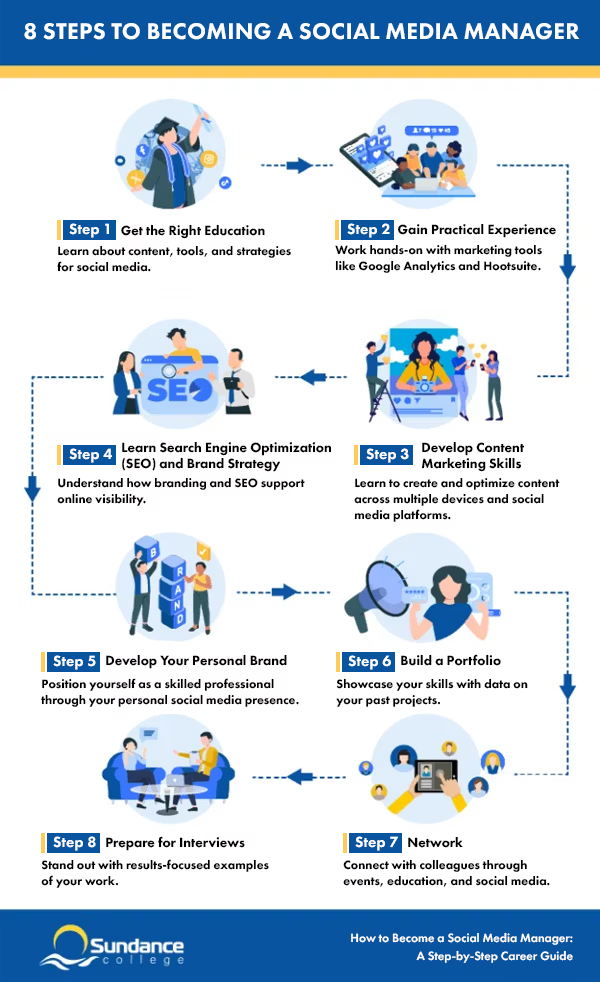
- STEP 1: Get the Right Social Media Management Education
- STEP 2: Gain Practical Experience with Social Media Management Tools
- STEP 3: Develop Strong Content Marketing Skills
- STEP 4: Strengthen Your Understanding of SEO and Brand Strategy
- STEP 5: Develop Your Personal Brand
- STEP 6: Build a Social Media Management Portfolio
- STEP 7: Network with Industry Professionals
- STEP 8: Prepare for Your Interviews
- FAQs
Have you ever looked at a company’s social media accounts and thought “I could do it better?”
Platforms like Facebook, Instagram, and LinkedIn are central to connecting organizations and their audiences. Their importance makes a career in social media an exciting prospect. But where do you start?
The best social media managers are enthusiastic, creative, and knowledgeable. They understand their audience, social media applications, and industry. Most importantly, they have a strong foundation that combines hands-on training, real-world experience, and a strong portfolio.
Here’s how to start building that foundation.
STEP 1: Get the Right Social Media Management Education
Learning is essential when building a social media management career. Focus on the following:
- Foundational Knowledge: Understanding fundamental marketing processes, best practices, and concepts is essential.
- Social Media Proficiency: Get in-depth knowledge on the nuances of each social media platform. Learn how to build stronger connections with your audience by exploring a range of social media marketing tools and strategies.
- Content Marketing: Learn how to create, optimize, and distribute content across social media platforms. Find specialized training that teaches essential skills such as data analysis, content strategy, and optimizing for accessibility.
- Brand Presence: Building brand presence goes beyond posting regular updates. It requires a practical understanding of a brand’s key characteristics, platforms, and audience. Look for a program that teaches these digital marketing fundamentals.
- Technical Knowledge: Learn how to produce content that’s easy to find, helpful, and optimized for business goals. Become knowledgeable in practices and disciplines like SEO (Search Engine Optimization), PPC (Pay-Per-Click) advertising, and backlinks.
A well-rounded program covers everything described above through a combination of hands-on training and real-world experience.
STEP 2: Gain Practical Experience with Social Media Management Tools
Like most digital marketing careers, social media management is about data and communication. Knowing the right analytics tools and frameworks for each platform is essential. Key toolsets include:
- Marketing automation
- Content marketing
- Pay Per Click (PPC) Advertising
- Search Engine Optimization (SEO)
Hands-on training with these tools gives you a competitive edge over candidates with only classroom experience. You will step into your first role fully prepared to:
- Interpret data
- Monitor trends
- Manage content schedules
- Make real-time adjustments to your campaigns
STEP 3: Develop Strong Content Marketing Skills

Content marketing is a key skill for social media management. Build it through hands-on instruction that covers:
- Creating unique content for each social media platform
- Using social media analytics to understand your audience
- Optimizing for multiple devices
- Scheduling and automation
STEP 4: Strengthen Your Understanding of SEO and Brand Strategy
Social media managers know how SEO and brand strategy contribute to online visibility.
Brand-building defines your digital identity, establishes your voice, and clarifies your purpose. Meanwhile, SEO helps you reach the right audience by optimizing content for discoverability. That means a few things for a social media manager:
- Knowing the key components of brand identity
- Understanding how to perform a digital brand analysis
- Learning the fundamentals of SEO, including rankings, site architecture, and targeting
- Understanding audience preferences and needs
- Researching, monitoring, and managing keywords
Proficiency in these areas can significantly add value to your role as a social media manager.
STEP 5: Develop Your Personal Brand

Who are you, really?
Answer that question with your personal social media accounts. Highlight your professional skills, values, and interests in a way that genuinely reflects who you are. Establish yourself by:
- Sharing insights that highlight your expertise
- Connecting with inspiring professionals
- Contributing to conversations in your field
- Sharing ideas that showcase your knowledge and creativity
Platforms like Instagram, X (Twitter), and TikTok offer great ways to build your personal brand. Engaging across multiple social media platforms also positions you as an active and informed social media professional.
STEP 6: Build a Social Media Management Portfolio
Your portfolio highlights the depth of your experience and the results you’ve achieved. Start with an introduction that captures your journey, such as a personal anecdote or practicum experience and include a summary of your key strengths.
When building your portfolio, make sure everything is well-organized and easy to explore. For maximum impact, each project should:
- Detail your approach from concept to execution
- Establish how you contributed through metrics such as reach, engagement growth, or conversions
- Demonstrate your problem-solving by explaining how you overcame a specific challenge during the project
- Feature client testimonials or stakeholder feedback to reinforce your credibility
A practicum opportunity gained through your education is an excellent way to create portfolio-worthy work.
STEP 7: Network with Industry Professionals
Networking is an important step in any career. Social media management is no different. With Sundance College’s Digital Marketing and Social Media Management diploma, you’ll have opportunities to collaborate with classmates and instructors and work with other social media professionals.
Other ways to build your professional network include:
- Attending events like SocialWest, SocialNext, and DigiMarCon
- Joining groups like the Canadian Internet Marketing Association
- Participating in discussions on social media
A strong professional network keeps you informed about job openings, workshops, and opportunities to meet and learn from industry leaders. The Sundance College Career Services team can help you identify even more strategies to build your network.
STEP 8: Prepare for Your Interviews
Nearly every organization across every industry uses social media, including small businesses, established financial firms, and nonprofits. Platforms like Indeed Canada and LinkedIn Jobs regularly list openings for the role. It’s important to clearly demonstrate your proficiency.
Most employers seek social media managers who can strategically apply their knowledge and skills toward business goals. Come prepared with results-focused examples of campaigns you’ve worked on. Tailor your resume and portfolio to the employer where possible.
The Sundance College Career Services team provides lifetime support in job search strategy, resume building and interview preparation to set you apart.
Successful social media managers prioritize practical education and hands-on experience while building a strong portfolio. By following the steps above, you’re well on your way to reaching your career aspirations.
Interested in taking the next step or learning more about social media management? Connect with an admissions advisor for guidance launching your career.
FAQs
-
How long does it take to become a social media manager?
Sundance College’s Digital Marketing and Social Media Management program prepares you for a career in social media management in under a year. You’ll learn foundational knowledge and skills including:
- Content marketing
- Social media strategy
- Digital analytics
- Effective business communication
- Career management
-
What is the difference between a social media manager and a content creator?
Content creators focus on producing engaging content. Social media managers combine this discipline with brand strategy, analytics, and optimization.
-
How do I build a personal brand as a social media manager?
To build a personal brand, start by answering questions like:
- Who am I?
- What makes me stand out from other people?
- What are my strengths and weaknesses?
- What am I most passionate about?
- What social media platforms do I want to focus on?
Use your answers as the foundation of your personal brand. Build a unique profile for each social media platform, join groups related to your industry, and regularly share original content.
-
What industries hire social media managers?
Organizations in nearly every industry use social media platforms to connect with their audience. They need social media managers to help them build brand credibility, engage with their audience, and drive measurable business growth.
-
What is the average salary of a social media manager in Canada?
On average, social media managers earn a starting annual salary of up to $69,864. This varies based on your location, industry, and experience level.
-
What tools does a social media manager need to know?
Social media managers understand tools like Meta Business Suite’s Audience Insights, YouTube Studio’s analytics, and TikTok Analytics. They should also know how to select the right social media management tools for a given campaign.
Subscribe for more career advice
Blog Categories
Share on: