
Blog / Is Hospitality Management in Demand in 2026? Career Outlook
Sundance Blog
Is Hospitality Management in Demand in 2026? Career Outlook

Hospitality Business Management Diploma
Employment Opportunities:
- Hotel Management
- Resort Management
- Conference & Event Management
- Catering or Event Sales Coordinator
Hospitality Business Management Learn more
Student aid eligible
11 May 2026 | Author: Vallankan Mendonca
| Read Time:
Quick Answer
Yes, hospitality will be in high demand in 2026. Travel and tourism continue to keep hotels and restaurants busy. Customers are also paying closer attention to the dining experience, making professionals with food and beverage knowledge highly valuable. The industry as a whole is relying on more technology, creating new opportunities for professionals with the right skills. Retirements and post-pandemic turnover have also created strong opportunities for new managers to step in and advance quickly.

Table of Contents
- Understanding the Hospitality Industry
- Key Sectors in the Hospitality Industry
- Why Hospitality Management is in High Demand
- Industry Workforce Trends
- Getting the Right Skills for a Successful Career
- Top Career Opportunities in Hospitality Management
- Choosing the Right Hospitality Program
- Take the Next Step – Enroll at Sundance College
- FAQs
Remember your last memorable vacation or trip? Maybe you checked into a hotel that felt like home or attended an event where everything ran on time.
Hospitality management is all about creating these experiences for people. Employers are always looking for professionals who can lead, adapt, and deliver exceptional guest experiences.
You might be drawn to hotel operations, event planning, or tourism services. There are many directions to choose from, including opportunities to work in different parts of the world. The hospitality industry is growing, and there are not enough trained people to fill these roles.
This means more opportunities for those with the right skills.
Let’s take a look at the roles in demand, what’s changing in the industry, and the skills you need to get started.
Understanding the Hospitality Industry
The hospitality industry is a major contributor to the economy. It covers a wide range of services, including:
- Accommodation
- Food and drink
- Travel
- Tourism
- Events
Millions of Canadian and international visitors rely on these services each year.
The industry was hit hard during the COVID-19 pandemic in 2020. However, six years later, it’s now seeing steady growth. More Canadians are travelling within the country, and throughout the world, and tourists are returning.
Today, the hospitality and tourism industry in Canada employs about 2.1 million people across roles like:
- Hotel Management
- Resort Management
- Conference and Event Management
- Catering or Event Sales Coordinator
- Hospitality Administration
The global travel and tourism industry supports over 300,000 people – about 1 in 10 jobs worldwide.
Key Sectors in the Hospitality Industry
The hospitality industry is made up of four main sectors:
- Accommodation and lodging
- Food and beverage
- Travel and tourism
- Event planning and entertainment
When one area gets busier, the others often see increased activity as well. For example, when more people travel, hotels fill up, restaurants get busy, and events see more guests.
Here’s a detailed breakdown of the hospitality sectors:
Accommodation & Lodgings
Hotels, resorts, and motels feel the impact of travel right away. More visitors mean more rooms filled.
In 2026, demand will remain strong, with tourism, business trips, and large events bringing steady bookings. Cities like Toronto and Vancouver will see extra pressure during the FIFA World Cup.
At the same time, labour shortages due to recent immigration changes are increasing the need for skilled hospitality management professionals.
Food & Beverage
Going out to eat is part of everyday life for many people. Restaurants, cafés, bars, and catering businesses stay busy serving all kinds of guests.
Many places use guest ordering systems, digital menus, and point of sale tools to speed up service and make it easier. Social media is also common for sharing menus and connecting with customers.
People are also looking for healthier choices, so there’s more focus on ingredients and nutrition.
All of this means there’s more need for people who understand:
- Guest ordering technology
- Social media marketing and selling to online audiences
- Nutrition and creating memorable dining experiences
Tourism and Travel
From guided wilderness tours to adventure sports and Northern Lights experiences, travel remains a major part of hospitality.
Visitor activity continued into 2025, with popular tourist destinations like Paris, Las Vegas, and Tokyo continuing to attract large crowds.
As travellers look for more personalized experiences, businesses are focusing more on how they market and sell those experiences.
This is increasing the need for professionals who understand customer-focused marketing and hospitality sales techniques.
Event Planning and Entertainment
Live events take place all year, from festivals and sports games to trade shows and business events. These events need people who can supervise teams, manage budgets, and support marketing and sales efforts.
Whether it’s a large convention or a small gathering, the goal is to create an enjoyable experience for every guest.
No matter where your interests lie, there’s a place for you in hospitality.
Why Hospitality Management is in High Demand
The rapid growth of the hospitality industry has created strong demand for qualified management professionals. In 2026, several factors contribute to this growing need, such as:
- Tourism is Active Year-Round:
Events and festivals bring visitors all year. This means the demand doesn’t end after a short-lived season. Hotels, restaurants, and attractions will need skilled hospitality managers to oversee daily operations and keep teams aligned. - Technological Integration:
The industry is relying more on computerized property management systems, hotel sales computer applications, and accounting applications. This is creating a need for professionals who can use hospitality computer systems for both front and back-office functions. - Focus on Personalized Dining Experiences:
Customers expect more personalized dining experiences. They want menu options that match their dietary needs, preferences, and lifestyle. This is increasing demand for professionals who understand food and beverage operations and can adapt offerings to meet those expectations. - Skilled Labour Shortage:
Some experienced professionals have left the field due to retirements or changes in immigration. This has created gaps in the workforce and an increased need for trained professionals.
The need for skilled hospitality managers is here to stay. The tourism industry will continue to grow, businesses will keep expanding, and more people will need places to stay, eat, and explore. Since hospitality has many fields, you’ll be able to find a career that matches your goals.
Industry Workforce Trends
The hospitality industry went through a major slowdown during the pandemic. Many workers left and found jobs in other fields.
Even as business picked up again, not everyone returned.
This has created a gap, especially in hospitality management positions. Now, employers are searching for people with skills in areas like:
- Hospitality computer systems
- Sales and marketing
- Supervision
- Managerial accounting
- Security management
- Managing food and beverage operations
- Housekeeping management
Getting the Right Skills for a Successful Career

To succeed in hospitality management, you’ll need a mix of technical skills and hands-on experience that match the industry’s demands. This includes:
- Hospitality computer systems
Being efficient in using property management systems for both front and back-office functions. - Sales and marketing
Using customer-focused marketing and sales techniques to promote services and attract guests. - Supervision
Leading teams, supporting staff, and handling workplace situations. - Managerial accounting
Using financial information to support decisions around costs and operations. - Food and beverage operations
Your ability to improve quality standards while reducing costs. This includes using effective food service operations techniques and technology to provide greater value for customers. - Housekeeping managment
Being familiar with the techniques and strategies for effective housekeeping in hospitality settings.
Top Career Opportunities in Hospitality Management
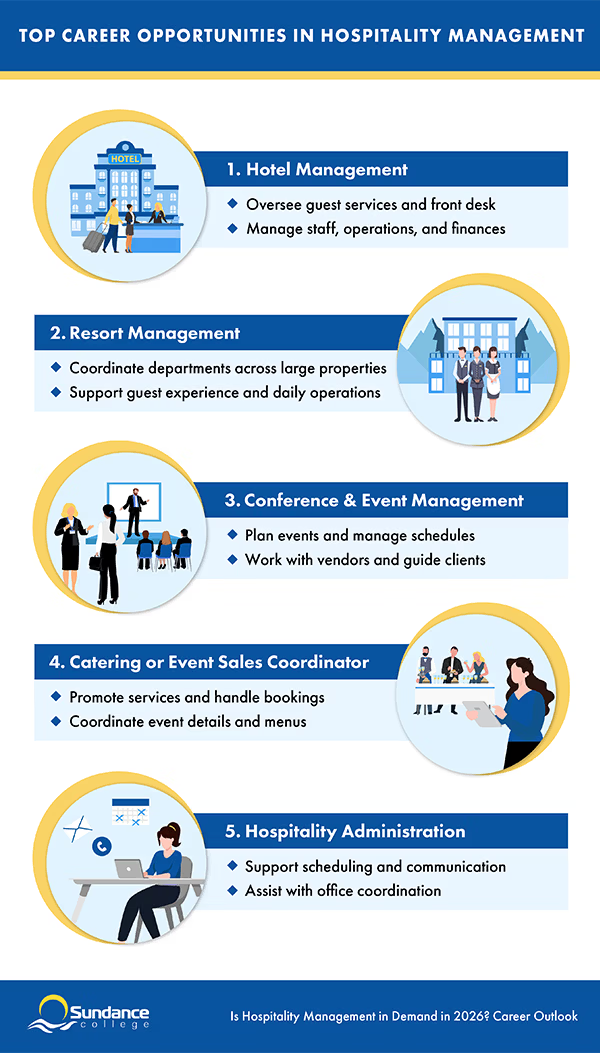
Hospitality management will continue to offer some of the most in-demand jobs in 2026. With tourism growing and new businesses opening across the country, hospitality job prospects are strong. A range of careers are now emerging, each offering potential for long-term growth. Here are the top roles available in hospitality:
Hotel Management
Lead the full guest experience from front desk operations and staffing to finances and property systems.
Resort Management
Oversee large-scale properties with multiple departments and services. You’ll work with different teams, handle guest needs, and make key calls to keep the whole resort running well.
Conference and Event Management
Love planning? Conference and event managers turn ideas into memorable experiences. You’ll manage timelines, set budgets, and guide every detail from event kickoff to close.
Catering or Event Sales Coordinator
Help clients bring their vision to life. You’ll promote services, manage event logistics, and ensure food and beverage offerings are perfectly matched to the occasion.
Hospitality Administration
You’ll manage schedules, HR support, internal communications, and day-to-day coordination for both staff and guests.
Choosing the Right Hospitality Program
When it comes to building a career in hospitality management, the program you choose can make or break your employment prospects. The right hospitality management program will prepare you for career opportunities around the world. You build industry-relevant skills, gain hands-on experience, and work toward certifications that employers recognize.
Here’s what to look for:
Industry-Relevant Curriculum
Hospitality is a global industry with opportunities in hotels, resorts, and events. Your hospitality program should include courses with key industry-relevant training such as:
- Sales and marketing: Hospitality managers often handle promotional material, manage online listings, and work with sales teams to increase room bookings. Your program should teach practical, customer-oriented marketing and hospitality sales techniques to help attract and convert customers.
- Security management: From handling lost items to creating emergency response plans and monitoring guest incidents, managers play a direct role in keeping both guests and staff safe. You’ll need training to use the various security and safety equipment and the correct procedures to keep your team and guests safe.
- Hospitality computer systems: Managers rely on tools like restaurant management systems, hotel sales computer applications, and accounting applications to manage daily operations. A program that teaches these systems helps you handle bookings, sales data, and financial records efficiently.
- Managerial accounting for hospitality businesses: Managers use financial data to understand how the business is performing and support day-to-day decisions. This can include reviewing revenue and costs, adjusting pricing, managing budgets, and expenses.
When comparing programs, make sure it covers areas like:
- Business math for budgeting and pricing
- Depreciation and amortization
- Feasibility studies
- Supervision: Managers lead their teams by assigning daily work, guiding new hires, and covering short-staffed shifts.
Look for a program that trains you in areas like:
- Conflict management
- Staff motivation
- Onboarding
- Training costs
- Recruitment software
- Food and Beverage Operations: In hospitality, you’ll work closely with kitchen teams, monitor service standards, manage inventory, and respond to guest feedback. A strong diploma program teaches food service techniques and tools that help maintain quality and control costs.
“The reason I chose Sundance College was because it covered all the corners of hospitality.” – Akshay D., Hospitality Business Management Graduate
A diploma program that covers these key areas makes your resume attractive to hiring managers and sets you up for success.
Real-world Experience
Hospitality is a people-first industry, and there’s no substitute for hands-on experience. The best diploma programs include a practicum opportunity to apply your training in the real world. This gives you the experience that employers look for and helps you build professional connections.
Certification Opportunities
Certifications in the hospitality field are specialized credentials that validate your knowledge in key areas like human resources, security, or sales and marketing. They are granted by professional hospitality associations.
Choose a diploma program that prepares you to pursue certification and stand out to employers.
Once you’ve found a program that checks all the right boxes, the only thing left to do is get started.
Take the Next Step – Enroll at Sundance College
At Sundance College, the Hospitality Business Management diploma program gives you practical hospitality training for careers around the world. Whether you’re interested in hotel management, event coordination, or hospitality administration, there are many different directions you can take in the industry. Here’s what you can expect from the program:
Curriculum with Practicum Experience
Work through courses that give you a solid understanding of how hospitality businesses operate like customer service, marketing, and accounting.
The program includes a 5-week practicum opportunity in a hospitality setting. This helps you build workplace experience and professional connections before you graduate.
Industry-Experienced Instructors
Learn from instructors who have spent years working in hospitality. They bring real-world experience to the class, so you understand what employers expect and how to succeed on the job.
Industry Certifications
Your diploma prepares you to pursue industry-recognized certifications through the American Hotel & Lodging Educational Institute to strengthen your credentials.
Flexible Learning
Study online or on campus, based on what works best for your schedule. The modular format helps you focus on one course at a time and absorb the material more effectively.
Support During Your Studies
Live onboarding helps you get started. The Becoming a Master Student course builds study habits and time management skills. Student Services also connects you with academic support, wellness referrals, and additional support if needed.
Career Support for Life
Career Services helps build resumes, conduct mock interviews, and job searches during your studies and after graduation.
Hospitality Training that Leads to Employment
With this training and support, 87% of Sundance College Hospitality Business graduates are employed in the industry within six months of graduating. Many find opportunities in areas like hotel management, event coordination, and hospitality administration.
To get started, connect with an admissions advisor today.
FAQs
-
Is hospitality management a good career in 2026?
Yes. Hospitality management is a good career in 2026 because demand for trained professionals is growing. This demand is driven by:
- Tourism activity increasing
- More use of hospitality technology systems
- Greater focus on dining and guest experience
- Ongoing labour shortages creating more opportunities
-
What qualifications do hospitality managers need?
To work as a hospitality manager, you need a diploma that trains you in key areas of hospitality management, such as:
- Sales and marketing
- Hospitality computer systems
- Food and beverage operations
- Supervision and security management
-
How much do hospitality managers earn?
You can earn up to $78,000 per year on average as a hospitality manager. Your earnings vary based on experience, location, and workplace.
-
What skills do successful hospitality managers need?
Successful hospitality managers need a mix of technical and people skills, including:
- Hospitality computer systems
Use property management systems for bookings, sales, revenue, and accounting. - Sales and marketing
Apply customer-focused strategies to promote services and attract guests. - Supervision
Lead teams, support staff, and handle workplace situations. - Hotel and restaurant accounting
Use financial data to manage costs and support business decisions. - Food and beverage operations
Maintain service quality and understand guest ordering systems and dining trends. - Housekeeping and front office operations
Manage guest services, daily operations, and service standards.
- Hospitality computer systems
-
What are the growth prospects for the hospitality industry?
The hospitality industry shows steady growth in 2026, with rising demand for trained professionals.
Growth is driven by:
- Tourism is active all year: Hotels, restaurants, and attractions are busy, creating more job opportunities.
- Greater use of technology: Businesses rely on systems for bookings, sales, and accounting, increasing demand for tech-ready staff.
- Focus on dining experience: More attention on nutrition and service quality is shaping food and beverage operations.
- Workforce shifts: Retirements and industry changes have created more open positions.
-
Why are experienced hospitality managers in short supply?
The hospitality industry slowed down during the pandemic, and many workers moved into other fields. When business picked up again, fewer returned. At the same time, some experienced managers retired or left due to immigration changes. This has left many hospitality businesses trying to fill management positions with trained professionals.
Subscribe for more career advice
Blog Categories
Share on: