
Blog / Explore Top Supply Chain Management Jobs & Career Paths in 2026
Sundance Blog
Explore Top Supply Chain Management Jobs & Career Paths in 2026

Supply Chain Management Professional Diploma
Employment Opportunities:
- Supply Chain Management
- Shipping Coordinator
- Purchasing Agent
- Warehouse Supervisor
Supply Chain Management Professional Learn more
Student aid eligible
7 September 2026 | Author: Vallankan Mendonca
| Read Time:
Quick Answer
Top supply chain management careers in 2026 include:
- Purchasing Agent
- Shipping Coordinator
- Inventory Management
- Warehouse Supervisor
- Transportation Logistics Coordinator
These roles involve purchasing, inventory management, warehouse operations, shipping, transportation, and supplier coordination across a range of industries.
Sundance College’s 60-week Supply Chain Management Professional diploma program develops skills in purchasing, inventory, logistics, transportation, and business operations.
The program is accredited by Supply Chain Canada, giving graduates advanced standing toward the SCMP™ designation.

Table of Contents
- The Importance of Supply Chain Management Today
- Why Pursue a Career in Supply Chain Management?
- Skills Needed for a Successful Supply Chain Management Career
- The Future of Supply Chain Management Jobs
- Best Industries for Supply Chain Management Jobs
- Top Supply Chain Management Careers
- How Sundance College Prepares You for a Career in Supply Chain Management
- Supply Chain Management FAQ
Supply chain management connects suppliers, businesses, and customers. The work covers everything from purchasing materials and managing inventory to coordinating transportation and deliveries.
Depending on the role, you could analyze data, negotiate with suppliers, manage warehouse operations, or plan how goods move from one location to another.
Demand for skilled supply chain professionals spans industries such as retail, manufacturing, healthcare, construction, energy and more.
As you consider this career, you likely want to know what the top careers in supply chain management are, what skills you need, and how to get started.
The Importance of Supply Chain Management Today

Supply chains are more complex than they used to be. Businesses buy materials from different sources and sell products to customers in diverse markets. A disruption in one region affects production, inventory, and deliveries elsewhere.
Technology is helping businesses manage that complexity. Data, automation, and digital tools help teams monitor inventory, plan transportation, and respond faster when problems arise.
Sustainability is another consideration. Businesses are paying closer attention to where materials come from, how products are transported, and where they can reduce waste.
All of these changes are creating demand for trained supply chain professionals who understand supply chain processes, new technologies, and global markets.
Why Pursue a Career in Supply Chain Management?
Supply chain management is central to how businesses purchase, move, store, and deliver products. That creates opportunities across industries such as retail, manufacturing, transportation, energy, and more.
A career in supply chain management takes you into different roles as you build experience. You could work in purchasing, inventory, logistics, or other areas of business operations.
Sundance College’s 60-week Supply Chain Management Professional diploma program gives you career-focused training in these areas. The program also provides an advanced pathway toward SCMP™ designation through its accreditation by Supply Chain Canada.
Growing Demand for Skilled Professionals
Canada’s economy runs on supply chains. Manufacturers need materials to produce goods, retailers need products for their customers, and businesses need reliable deliveries.
That creates an ongoing demand for skilled professionals who can coordinate purchasing, inventory, transportation, and other supply chain activities.
Diverse Job Opportunities
Supply chain professionals work in industries such as manufacturing, retail, transportation, healthcare, construction, and energy.
Career options also span different areas of the supply chain, including logistics, procurement, inventory management, transportation, and operations.
Competitive Salaries and Career Growth
Depending on your position, employer, location, and experience, you could earn up to $73,008 per year on average.
As you gain experience, you move into specialized, supervisory, or management roles.
Skills Needed for a Successful Supply Chain Management Career
Supply chain professionals manage processes that influence costs, product availability, delivery times, and daily operations. Key skills include:
Sourcing and Purchasing
You need a professional understanding of purchasing and sourcing processes including finding ways to manage costs and delivery times without compromising the quality.
Inventory Management and Forecasting
Managing inventory involves monitoring stock and forecasting demand. You also need to balance inventory levels with storage and carrying costs.
Negotiation
Supply chain professionals negotiate with suppliers, carriers, and other business partners. Cultural, legal, and ethical considerations could affect how you approach each negotiation.
Contract Law and Administration
Contracts define the terms of business agreements. Understanding how contracts are created, enforced, and terminated helps you manage supplier relationships and support compliance.
Distribution and Transportation Management
Goods can move by road, air, rail, or water with different costs, timelines, and risks. Knowing how each option works helps you address distribution and transportation challenges in domestic and global supply chains.
Supplier Relationship Management
Working with offshore suppliers means navigating different trade agreements, business practices, and commercial codes. Understanding these differences helps you manage supplier relationships and international arrangements.
The Future of Supply Chain Management Jobs
Technology, changing trade requirements, and sustainability are reshaping how supply chains work.
Here are three developments influencing the field:
Automation and Technology
Automation is automating some routine tasks, while digital systems are giving businesses faster access to supply chain information. This is changing how professionals monitor activity, analyze data, and respond when something needs attention.
Sundance College instructor Syed Maaz A. explains:
“Supply chain roles are changing fast – data analytics, automation, sustainability. That’s why our courses change regularly to reflect what’s really happening out there.”
Sustainability and Ethics
Cost is no longer the only factor businesses consider when making supply chain decisions.
Companies also look at environmental impact, working conditions, and responsible sourcing when deciding how and where they do business.
Global Trade
Tariffs, trade agreements, and regulations affect how companies buy and sell goods internationally.
A change in one market affects costs, supplier agreements, and trade with other countries.
Best Industries for Supply Chain Management Jobs
Supply chain careers aren’t limited to warehouses or logistics companies. Career opportunities exist wherever goods need to be sourced, produced, stored, or delivered.
Sundance College instructor Syed Maaz A. explains:
“Students are often surprised by how different supply chain work can look from one industry to another. A manufacturer has different priorities than a retailer or healthcare organization, so the skills you use can take you in many directions.”
Here are some industries where you can build your career:
Logistics and Warehousing
Warehouses handle large volumes of goods every day. The work involves coordinating receiving, storage, inventory, and outgoing shipments.
Retail and E-Commerce
Retailers need products available when customers are ready to buy. Inventory planning and order fulfilment become especially important during sales and seasonal peaks.
E-commerce adds another priority: processing online orders and getting them to customers on time.
Manufacturing and Production
Manufacturers rely on materials and components arriving when production needs them. A delayed shipment or missing part can slow down an entire production line.
Coordinating suppliers, purchases, and inventory is a major part of the work.
Transportation and Freight
Moving goods over long distances involves coordinating carriers, routes, schedules, and delivery times.
Weather, traffic, and other delays can change those plans, making quick adjustments part of the job.
Consumer Goods and Food Processing
Food and other consumer goods have specific requirements for storage, quality, and timing.
For perishable products, careful planning helps reduce spoilage and get products to stores on time.
Automotive and Industrial
Vehicles and industrial products require components from numerous suppliers.
Those parts need to arrive according to production schedules, since one missing component can hold up the manufacturing process.
Pharmaceuticals and Healthcare
Medical products have strict requirements for storage, handling, transportation, and compliance.
Some products are also temperature-sensitive; making careful coordination is especially important from shipment to delivery.
The industry you choose can significantly change the work you do. This provides you with an opportunity to explore the various roles throughout your career.
Top Supply Chain Management Careers
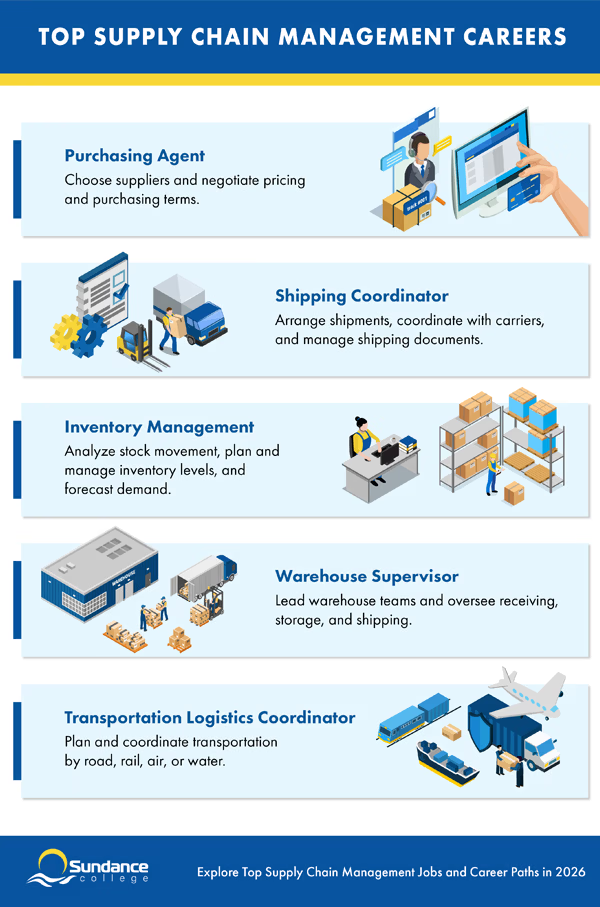
The right training opens doors to a range of career opportunities in supply chain management. The top careers include:
Purchasing Agent
Purchasing Agents find and evaluate suppliers to secure the goods a business needs at the right price and quality.
Responsibilities
- Compare suppliers, pricing, and product quality.
- Negotiate pricing and purchasing terms.
- Place orders and maintain supplier relationships.
Shipping Coordinator
Shipping Coordinators keep shipments organized from dispatch to delivery. They work with carriers, track shipments, and manage shipping documents.
Responsibilities
- Arrange shipments with carriers.
- Track shipments and follow up on delays.
- Manage shipping and receiving documents.
Inventory Management
Inventory professionals plan and manage inventory levels, forecast demand to help businesses maintain enough inventory without carrying more than they need.
Responsibilities
- Analyze inventory levels and stock movement.
- Forecast inventory needs.
- Maintain accurate inventory records.
Warehouse Supervisor
Warehouse Supervisors lead warehouse teams and oversee how goods are received, stored, and prepared for shipment.
Responsibilities
- Supervise warehouse staff and daily activities.
- Oversee receiving, storage, picking, and shipping.
- Maintain accurate inventory and shipment records.
Transportation Logistics Coordinator
Transportation Logistics Coordinators plan how goods move from one location to another by road, rail, air, or water.
Responsibilities
- Coordinate transportation and delivery schedules.
- Compare transportation options based on cost and timing.
- Monitor shipments and respond to transportation delays.
How Sundance College Prepares You for a Career in Supply Chain Management
Sundance College’s Supply Chain Management Professional program combines industry-focused training with workplace experience to prepare you for the field.
Get an Advantage Head Toward the SCMP™ Designation
The program is accredited by Supply Chain Canada and provides advanced standing toward the Supply Chain Management Professional (SCMP™) designation.
Graduates who meet the requirements can receive exemptions for eight of the 14 SCMP™ academic program components – more than most other colleges and universities in Canada. This will save you time and money if you pursue the SCMP™ designation.
Earning the SCMP™ designation strengthens your credentials and increases your earning potential as you advance in your career.
Build Industry-Relevant Skills
Get hands-on training in key areas of supply chain management, including:
- Sourcing and Purchasing
- Inventory Management
- Networking and Negotiation
- Contract Law and Administration
- Transportation Management
- Project Management
- Logistics Systems and Technology
- Global Transportation and Trade
- Operations Management
Practical Experience in a Supply Chain Setting
The program includes a 7-week practicum opportunity with a business or logistics firm. You’ll put what you’ve learned into practice and get professional experience before graduating.
Learn from Industry-Experienced Instructors
Your instructors bring years of supply chain experience into the classroom. You’ll learn from industry insights, real workplace examples, and lessons from their own careers.
Student Support
You’ll have access to Student Services throughout your program for academic or personal support. Career Services helps you with your resume, interview preparation, and job search with support available for life.
Ready to explore your options in supply chain management? Get more information about the Supply Chain Management Professional diploma program and learn what you need to get started.
Supply Chain Management FAQ
-
What is supply chain management?
Supply chain management is the coordination of activities involved in producing, moving, and storing goods and services. It includes planning, purchasing, manufacturing, and logistics to help products move efficiently from suppliers to consumers.
Skilled supply chain management professionals improve processes, reduce costs, and support customer satisfaction.
-
What does a career in logistics entail?
A career in logistics involves coordinating how goods are stored, transported, and delivered. Depending on your role, you could manage warehouse operations, coordinate shipments, plan transportation, or monitor inventory.
Career options include Shipping Coordinator, Warehouse Supervisor, and Transportation Logistics Coordinator.
-
How much do supply chain managers earn?
As a supply chain management professional, your earnings vary based on the position, experience, location, and employer. Supply chain professionals can earn up to $73,008 per year.
-
What qualifications do I need for a career in supply chain management?
Supply chain professionals need specialized skills in logistics, purchasing, inventory management, and operations.
Sundance College’s 60-week Supply Chain Management Professional program provides training in these areas and advanced standing toward the SCMP™ designation.
-
What industries have the highest demand for supply chain professionals?
Several industries offer strong opportunities for supply chain professionals, including:
- Logistics & Warehousing: Coordinate receiving, storage, inventory, and shipments.
- Retail & E-Commerce: Plan inventory and support order fulfilment as customer demand changes.
- Manufacturing & Production: Coordinate materials and suppliers to support production.
- Transportation & Freight: Plan routes, schedules, carriers, and deliveries.
- Consumer Goods & Food Processing: Manage products with specific storage, quality, and timing requirements.
- Automotive & Industrial: Coordinate parts and suppliers around production schedules.
- Pharmaceuticals & Healthcare: Manage products with strict handling, storage, and regulatory requirements.
-
What are the top careers in supply chain management?
Supply chain management offers career opportunities in purchasing, inventory, warehousing, shipping, and transportation. Top roles include:
- Purchasing Agent: Evaluates suppliers, negotiates purchasing terms, and coordinates orders.
- Shipping Coordinator: Coordinates carriers, tracks shipments, and manages shipping documents.
- Inventory Management: Monitors stock levels, forecasts inventory needs, and maintains inventory records.
- Warehouse Supervisor: Oversees warehouse staff, receiving, storage, and shipping activities.
- Transportation Logistics Coordinator: Plans transportation and coordinates delivery schedules.
Subscribe for more career advice
Blog Categories
Share on: