
Blog / 10 Essential Network Systems Management Skills and How to Develop Them
Sundance Blog
10 Essential Network Systems Management Skills and How to Develop Them

Network Systems Manager Diploma
Employment Opportunities:
- Network Administrator
- Network Systems Administrator
- IT Support Technician
- Network Support Technician
Network Systems Manager Learn more
Student aid eligible
5 October 2026 | Author: Nick Greene
| Read Time:
Quick Answer
Network Systems Managers need technical, problem-solving, and communication skills to keep networks reliable and secure.
They need to know how to configure, maintain, and secure everything from cloud storage to routers to endpoints.
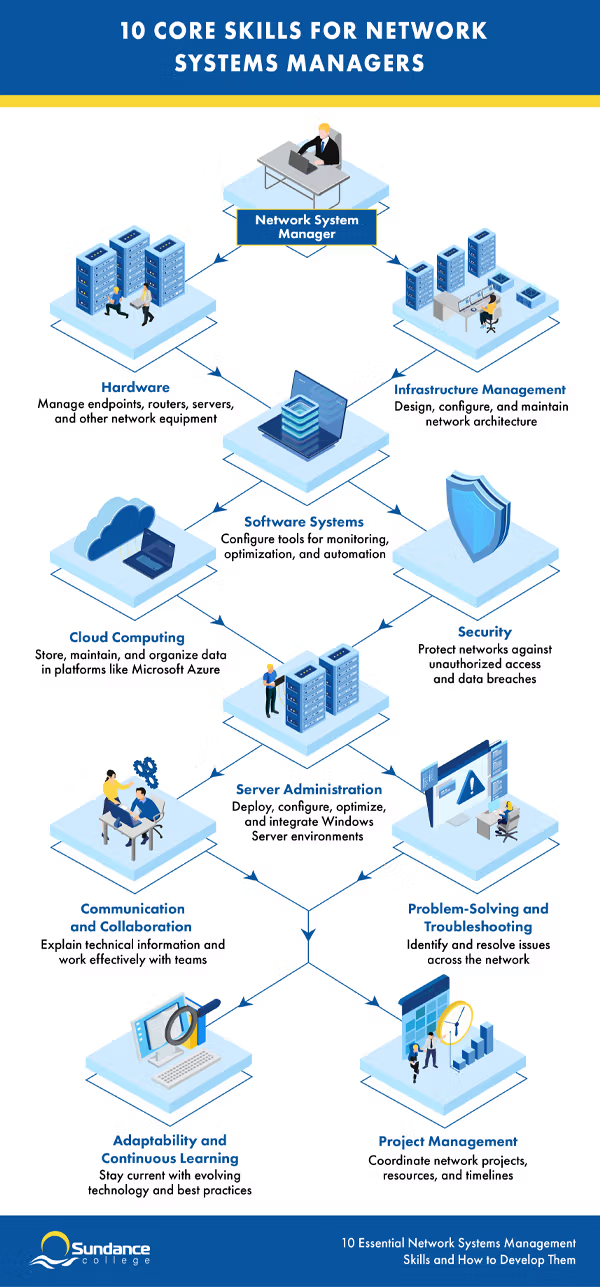
The 10 essential Network Systems Management skills include:
- Network hardware
- Software systems
- Network infrastructure management
- Network security
- Cloud computing
- Server and endpoint administration
- Problem-solving and troubleshooting
- Communication and collaboration
- Project management
- Adaptability and continuous learning

Table of Contents
- Network Hardware
- Software Systems
- Network Infrastructure Management
- Network Security
- Cloud Computing
- Server Administration
- Problem-Solving and Troubleshooting
- Communication and Collaboration
- Project Management
- Adaptability and Continuous Learning
- Build Your Network Systems Management Skills at Sundance College
- Frequently Asked Questions About Network Systems Management
Sending an email, accessing a file, or logging into an application takes only a few clicks. But to make that happen, many different systems need to work together behind the scenes. Network Systems Managers keep those systems running.
Their responsibilities include network design, implementation, and management. This often means ongoing maintenance, troubleshooting, and network security.
The role involves communicating with IT professionals and managing technical information. That combination requires strong technical knowledge and practical problem solving.
As you consider this career, here are 10 skills that matter in Network Systems Management and how Sundance College’s Network Systems Manager Diploma program helps you build them.
Network Hardware

When a device loses its network connection, the problem might start with hardware.
To fix the issue, Network Systems Managers need to understand the physical components of a network. This includes routers, switches, and mesh nodes, as well as computers, printers, and VoIP phones.
These professionals install, configure, and troubleshoot these components as part of network infrastructure.
Understanding hardware also helps you identify potential causes when network problems occur.
For example, troubleshooting a connectivity problem might involve checking networking devices, connections, and system configurations.
Software Systems
Networks also depend on software for management, monitoring, security, and everyday operations.
As a Network Systems Manager, you’ll control user accounts, login rules, and network software updates. With your security team, you will create and enforce security policies like network access from personal devices.
Your responsibilities may also include managing network operating systems, monitoring tools, and software-defined networking solutions.
You’ll need to know how to configure software, identify performance issues, and address technical disruptions.
Network Infrastructure Management

A network is not simply a collection of connected devices. Network infrastructure includes hardware, software, and processes.
Managing infrastructure requires knowledge of network protocols, routing, and expected performance.
For example, an organization moving to a different office will require a new network. As a Network Systems Manager, you’ll design the network architecture, deciding how infrastructure is organized and connected. You’ll select hardware, software, and connection types. This may include:
- Local Area Networks (LANs)
- Wide Area Networks (WANs)
- Subnets
- Virtual Local Area Networks (VLANs)
- Routers, switches, and other hardware
- Network protocols like STP
You’ll also be responsible for troubleshooting problems like routing issues with Internet Protocol Versions 4 (IPv4) and 6 (IPv6).
Network Security
A network needs to stay accessible without becoming an easy target. Network Systems Managers help protect systems and data using tools such as:
- Firewalls
- Virtual Private Networks (VPNs)
- Intrusion detection software
- Encryption
- Authentication and access management
Network Systems Managers need to understand both the threats their organization faces and how to manage them. Your security responsibilities may extend to wireless networks, servers, mobile, and embedded devices.
Network monitoring tools can also provide advance notice of potential attacks.
You may also collaborate on:
- Vulnerability assessments
- Penetration testing
- Cybersecurity education
- Cyber-resilience planning
- Threat management
- Mobile and embedded device security
Cloud Computing
Cloud computing is an important part of modern network environments.
Network Systems Managers need to understand how cloud services connect with on-site and remote network infrastructure.
Platforms like Microsoft Azure store immense amounts of data and provide significant computing resources to deploy cloud-based solutions.
You will keep the tools accessible while managing and monitoring resource usage. You will also work with other teams to protect, store, maintain, and organize sensitive data.
Server Administration

Network servers support applications ranging from data storage systems to project management tools.
As a Network Systems Manager, you will help design, configure, maintain and optimize these servers.
Depending on the role, this work could involve Windows Server administration and cloud integration. This function often includes policy enforcement and user support, as well.
You’ll also be responsible for performance and stability, making sure server-based applications reliably function.
Problem-Solving and Troubleshooting

Because downtime is costly, Network Systems Managers must identify and solve outages as soon as possible.
This requires an understanding of how hardware, software, and infrastructure interact. Problems you will troubleshoot may include:
- Incorrect network installation or configuration
- Poor network performance
- Broken connectivity
- Software bugs
- System failures
Developing strong analysis and problem-solving skills will help you effectively resolve technical issues you encounter.
Communication and Collaboration
Network Systems Managers regularly work with people who have different levels of technical understanding, including:
- Other IT professionals
- Security teams
- End users
- Service providers
- Business partners
During a network outage, you may need to explain the issue clearly to non-technical users. When an organization moves to a new office, you might help another team understand the network changes. You will often work with other technicians to discuss problems and find solutions.
Strong communication helps everyone understand what needs to happen, while collaboration keeps technical work moving.
These skills also help you convey your experience and build stronger professional relationships.
Project Management
Network projects are often complex, involving technology, people, and budgets. Network System Managers need to understand how these pieces fit together.
Managing a project requires planning, coordination, and resource management. Handling these effectively keeps projects within budget and in line with organizational requirements.
Adaptability and Continuous Learning
New networking tools, security threats, and industry practices are available every day. Keeping your knowledge current equips you to meet the changing demands of your field.
This could involve learning about a new platform, following industry developments, or pursuing a certification that provides ongoing development opportunities.
Build Your Network Systems Management Skills at Sundance College
Network Systems Management brings together several functions, including:
- Technical knowledge
- Practical skills
- Problem-solving abilities
- Professional communication
- Adaptability
Sundance College’s 48-week Network Systems Manager Diploma program combines instruction, practical training, a hands-on integration project, and a 5-week practicum opportunity. You will learn:
- IT Fundamentals
- Networking
- Security
- Microsoft Azure, Hybrid Server, and Endpoint Administration
- CCNA Routing and Switching
The program also prepares you for several industry certifications:
- Microsoft Certified: Azure Security Engineer Associate
- Cisco Certified Network Associate (CCNA)
- CompTIA A+
- CompTIA Network +
- CompTIA Security +
Graduates pursue roles such as Network Administrator, Network Systems Administrator, and Network Support Technician.
“Sundance College prepared me for the certifications and skills employers are looking for. Within the first month after graduating, I got two job interviews and was able to start a new career.”
– Stephen E, Network Systems Manager
Take the first step toward your new career as a Network Systems Administrator by connecting with us.
Frequently Asked Questions About Network Systems Management
-
How do I become a Network Systems Manager?
To become a Network Systems Manager, start with a diploma program that provides hands-on training in areas like network design, software systems, and server administration. Your diploma program should also prepare you to earn certifications like CompTIA A+, Network+, and CCNA.
Sundance College’s 48-week Network Systems Manager Diploma program provides both along with a hands-on project and 5-week practicum opportunity. Graduates leave with the knowledge and workplace experience employers look for.
-
What is the difference between a Network Systems Manager and a network administrator?
A Network Systems Manager focuses on both the network and its role in the workplace. They’re responsible for network design and deployment. They also plan system upgrades and help set security policies.
Network administrators deal with day-to-day maintenance and troubleshooting.
-
What soft skills are important for Network Systems Managers?
Network Systems Managers need strong communication skills to collaborate with end users and other IT professionals. They should be organized and flexible with strong attention to detail. Troubleshooting and problem-solving are also essential.
-
How much do Network Systems Managers earn?
On average, network systems managers can earn a yearly salary of up to $69,992. This varies based on the employer, location, industry, and experience level.
-
How do Network Systems Managers handle problems like downtime?
Network Systems Managers use maintenance, monitoring, security practices, and troubleshooting to reduce network disruptions.
They establish processes for updates, maintenance, recovery, and security.
They also monitor systems for potential issues and work with other IT professionals during outages.
-
What certifications should a Network Systems Manager get?
Some important certifications for Network Systems Managers include:
- Microsoft Certified: Azure Security Engineer Associate
- CompTIA A+
- Cisco Certified Network Associate (CCNA)
- CompTIA Network +
Subscribe for more career advice
Blog Categories
Share on: