
Blog / What You Need to Know About a Career in Human Resources
Sundance Blog
What You Need to Know About a Career in Human Resources

Human Resources Management Diploma
Employment Opportunities:
- Human Resources Advisor
- Recruitment Officer
- Pay and Benefits Administrator
- Human Resources Coordinator
Human Resources Management Learn more
Student aid eligible
10 August 2026 | Author: Nick Greene
| Read Time:
Quick Answer
Human resources professionals recruit employees, support employee development, manage workplace policies and processes, and help organizations achieve their goals.
If you're detail-oriented, enjoy problem-solving, and like working with people, HR can be a rewarding career choice. It offers opportunities across many industries and a variety of career paths.
Table of Contents
Behind every successful company is a strong strategy and a great human resources team. HR professionals do much more than manage paperwork. They help build strong workplaces by recruiting talent, supporting employees, and creating policies that help teams succeed. If you are considering a career in HR, here’s what the role involves, the skills you will need, and the career opportunities it can offer.
What Does an HR Professional Do?

Human resource professionals support employees throughout their time with an organization. Their responsibilities span the entire employee lifecycle, including:
- Attracting and recruiting talent
- Onboarding
- Training and professional development
- Performance management
- Employee relations and morale
- Retention
- Exit processes
Key HR Responsibilities
As a human resources professional, your responsibilities include:
Recruitment
“The people make the place.”
Psychologist Benjamin Schneider first introduced this idea in 1987, and it remains relevant even today. The people an organization hires shape its culture, performance, and success. That’s why recruitment is one of HR’s most important responsibilities.
Working with hiring managers, HR professionals:
- Create and manage job listings
- Review applications
- Screen and interview candidates
- Extend job offers
Onboarding and Offboarding
HR helps new employees settle into their roles by coordinating onboarding training and workplace resources. When employees leave, HR also manages the offboarding process to ensure a smooth transition.
Professional Development
HR helps employee growth by coordinating certifications, workshops, and career development opportunities. Investing in employee development helps organizations improve retention, engagement, and internal mobility.
Compensation and Benefits
HR professionals work closely with accounting and payroll teams to administer employee compensation and benefits. They help ensure employees are paid accurately and on time, manage benefits programs, and support the administration of salaries, bonuses, commissions, and other forms of compensation according to company policies.
Compliance
HR develops and enforces policies that help organizations meet employment standards, workplace safety requirements, and other legal obligations.
Building a Respectful Workplace
HR promotes fair hiring practices and helps create respectful workplaces where employees feel valued and supported.
Employee Relations
When employees feel heard and respected, they do their best work. Human resources teams show employees they’re valued through:
- Resolving disputes
- Recording and responding to complaints
- Planning events and exercises
- Creating a culture of respect and collaboration
- Even and fair policy enforcement
What Are My HR Career Options?
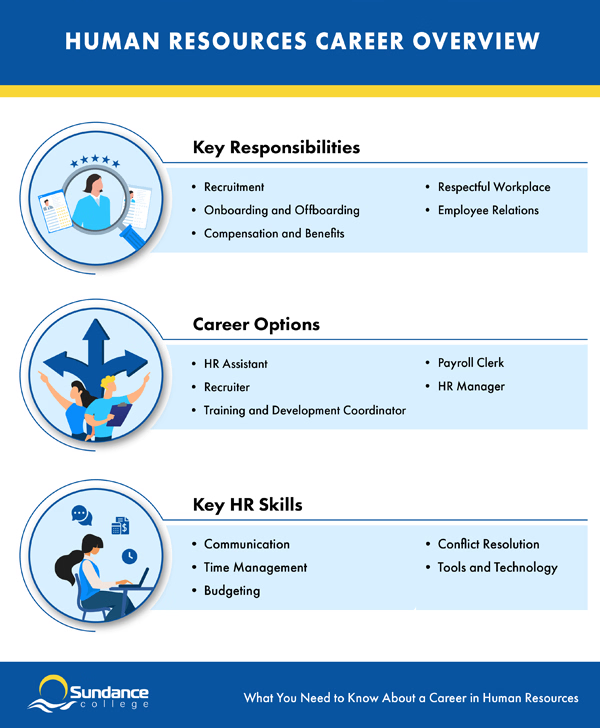
Human resources offers opportunities to specialize in different areas throughout your career. Some common roles include:
Human Resources Assistant
Supports HR managers to update employee records, prepare reports, and resolve conflicts. As an HR assistant, you will handle day-to-day HR activities.
Recruiter
Supports and coordinates recruitment either internally or as part of a specialized agency. This includes:
- Determining hiring needs
- Creating and managing job listings
- Developing recruitment strategies
- Tracking hiring costs
- Screening applicants
Training and Development Coordinator
Creates and implements training plans for onboarding, professional development, and internal process updates. Responsibilities include working with facilitators, choosing technology, and creating materials.
Payroll Clerk
Completes day-to-day payroll duties like recording employee hours and banking information. Payroll clerks also create pay slips, oversee payment, and address payment errors.
Human Resources Manager
Oversees human resources processes while managing assistants and coordinators. HR managers collaborate directly with recruitment, IT, and accounting/payroll teams.
What Skills Do I Need to Work in HR?

Successful HR professionals combine interpersonal skills with business knowledge to support and motivate employees.
Key skills include:
Written and Oral Communication
Strong communication helps HR professionals explain policies, listen to employee concerns, and build positive workplace relationships.
Strategic Thinking
Senior-level HR professionals make decisions about everything from hiring and training to employee engagement. These decisions are best made with organizational culture, goals, and employee well-being in mind.
Time Management
Your day-to-day responsibilities as an HR professional include time-intensive tasks like compliance, recruitment, and onboarding. Effective time management helps prioritize and manage these duties.
Budgeting
HR professionals need financial literacy and accounting knowledge to work within and help direct the company budget. This is especially true for recruiters and payroll clerks.
Conflict Resolution
Mediation is a large part of HR professionals’ work. Know how to reduce tension, understand disputes, and find compromises that work for everyone involved.
HR Tools and Technology
HR professionals use analytics, workforce management, and other business software. Being proficient allows you to make informed decisions, work efficiently, and support organizational goals.
What Makes Human Resources a Good Career?

Human resources offers variety, flexibility, and opportunities for growth. Because every industry needs HR professionals, you can apply your skills across healthcare, technology, education, retail, government, and many other sectors.
Whether you’re interested in recruitment, employee development, payroll, or workplace strategy, HR offers multiple paths to build a long-term career while making a meaningful impact on employees and organizations.
Start Your Human Resources Career with Sundance College
Human resources professionals help organizations attract, support, and retain talented employees. From recruitment and onboarding to employee relations and performance management, HR plays an important role in every stage of employee experience.
Sundance College’s Human Resources Management diploma program prepares you with practical training in recruitment, employee relations, strategic HR planning, and more.
Take the first step by connecting with us.
Frequently Asked Questions about HR Careers
-
What industries hire human resources professionals?
Human resources professionals are needed in almost every industry because organizations of all sizes need employees to be recruited, supported, and managed. HR careers can be found in:
- Healthcare
- Education
- Government
- Manufacturing
- Technology
- Finance
- Retail
- Hospitality
- Construction
- Transportation
- Non-profit organizations
- Professional services.
Whether you work for a small business or a large corporation, HR plays an important role in:
- Recruiting talent
- Supporting employees
- Administering compensation and benefits
- Helping organizations meet employment laws and workplace policies.
-
Can I work in HR without prior job experience?
Yes. There are many entry-level human resources jobs to which you can apply after completing Sundance College’s Human Resources Management diploma program. The program also includes a 5-week practicum opportunity to help you gain work experience.
-
What does a human resources professional do?
A human resources professional helps organizations recruit, support, and retain employees. Their responsibilities include recruitment, onboarding and offboarding, workplace policies, employee relations, performance management, professional development, compensation and benefits administration, and employment law compliance.
-
How long does it take to become an HR professional?
In just 43 weeks, you can complete Sundance College’s Human Resources Management diploma program. It includes a 5-week practicum opportunity in a real workplace setting for a hands-on experience. You’ll be job-ready in under a year to pursue an HR career across a variety of industries.
-
What is the average HR salary in Canada?
HR professionals earn up to $79,996. This varies depending on your chosen niche, industry, location, and workplace.
-
How do I get my first job in human resources?
Most entry-level HR positions require a combination of education, practical skills, and workplace experience. A good first step is completing an HR diploma program that prepares you for the day-to-day responsibilities of the role.
To improve your chances of getting your first HR job:
- Complete an HR diploma.
- Develop practical HR skills, including recruitment, employee relations, payroll, and employment law.
- Gain hands-on experience through a practicum.
- Apply for entry-level roles, such as Human Resources Assistant.
- Tailor your resume and cover letter to each position and prepare for interviews.
Sundance College’s Human Resources Management diploma program prepares you with practical skills, industry knowledge, real-world work experience with a 5-week practicum opportunity, to help start your new career in human resources.
Subscribe for more career advice
Blog Categories
Share on: