Blog / 5 Key Career Options for Addictions and Community Health Workers
Sundance Blog
5 Key Career Options for Addictions and Community Health Workers

Addictions and Community Health Professional Diploma
Employment Opportunities:
- Addictions Worker
- Youth Support Worker
- Family Support Worker
- Drop-in Centre Worker
Addictions and Community Health Professional Learn more
Student aid eligible
4 May 2026 | Author: Vallankan Mendonca
| Read Time:
Quick Answer
An Addictions and Community Health Professional diploma opens the door to a variety of in-demand roles. You could work as:
- Addictions worker: support people experiencing substance use challenges through guidance, education, and recovery-focused care
- Family support worker: support families through challenging situations by providing guidance, resources, and emotional support
- Youth support worker: support young people by building trust, offering guidance, and connecting them with the right resources
- Drop-in centre worker: support people accessing community services
- Substance Abuse worker: draw on lived experience to support others in the community
Table of Contents
- What is the Current Status of Mental Health and Addictions?
- Addictions and Community Health Professional Career Overview
- What are Your Career Options with an Addictions and Community Health Professional Diploma?
- How Grads Are Making a Difference with a Diploma in Addictions and Community Health
- How to Become an Addictions and Community Health Professional with Sundance College
- FAQs
You’ve probably had a moment where someone needed support, and you wished you knew exactly how to help.
Maybe it was a friend struggling, a family member going through a tough time, or even something you’ve experienced yourself.
That instinct to step in and support others is what leads many people toward a future in addictions and community health. The work is hands-on, people-focused, and makes a difference every day.
With the right training, you can turn that interest into a clear direction with options that fit your strengths. From outreach and counselling support to community-based roles, there are several ways to build a meaningful career in this field.
Whether you’re already in the program or planning your next step, it helps to understand where this training can take you.
Here are five in-demand career options to consider.
What is the Current Status of Mental Health and Addictions?

Mental health and addiction are real struggles for many Canadians. Recent statistics from the Canadian Institute for Health Information indicate:
- One in five people experience a mental health or substance use challenge each year.
- By age 40, one in two people will experience a mental illness.
- Youth ages 15 to 24 have the highest rates of mental health and substance use concerns.
“A lot of people struggle with mental health or addiction. It can make it hard to keep up at school or work, or make you feel alone, even if you have friends around.
Families might not know how to talk about what’s going on or how to help. At work, you might see more stress, more days off, or people just not able to get things done.
For Indigenous communities, it can be even harder. Stigma, poverty, or living far from help make it tough to get support.”
– Megan G., Addictions and Community Health Professional instructor at Sundance College.
As these challenges grow, demand continues to increase for skilled professionals in the field.
Addictions and Community Health Professional Career Overview
Addictions and community service workers pursue careers in a wide range of settings. This includes agencies that support youth, families, and individuals living with substance and behavioural addictions.
Common Responsibilities
What you’ll do each day depends on your role and where you work. However, most professionals in this field spend their time helping others, giving advice, and connecting clients to the right resources.
Common responsibilities may include:
- Meet with clients one-on-one to discuss needs and goals
- Assist with intake, assessments, and case planning
- Support clients through recovery programs
- Connect people with housing, food, counselling, or community resources
- Lead support groups or educational sessions
- Help youth or adults build healthy routines and life skills
- Record client progress and maintain professional documentation
Essential Skills and Qualities
To successfully perform the duties of an addictions and community health professional, you should have the following skills:
- Intake and Assessment Skills
Be familiar with intake and assessment processes to understand each client’s needs and connect them to the right support. - Relapse Prevention and Intervention
Apply proactive and reactive intervention strategies, recovery planning, and relapse prevention to support client recovery. - Interviewing and Counselling Skills
Use effective interviewing, counselling, and therapy skills to show care and motivate clients. - Ethical Thinking
Approach every situation with care and sound judgment. This includes respecting boundaries and maintaining professional standards. - Cultural Competence
Use cross-cultural counselling skills when supporting people from diverse backgrounds. - Communication and Interpersonal Skills
Communicate with clarity, listen actively, and respond with empathy to build strong relationships.
General Educational Requirements
If you’re wondering how to start a new career in addictions counselling or mental health care, the first step is acquiring a proper education.
In general, professional entry-level positions, such as addictions worker or youth support worker, require a post-secondary career college diploma.
Some career college students and graduates also pursue further certification through the Canadian Addiction Counsellors Certification Federation (CACCF). In order to qualify, the applicant must have completed or be enrolled in a program that has been approved by the CACCF, such as Sundance College’s Addictions & Community Health Professional Diploma program.
Salary Ranges
As an addictions and community health professional, you may earn up to $52,000 per year on average. Earnings can vary based on your education, experience, job title, and location.
What are Your Career Options with an Addictions and Community Health Professional Diploma?
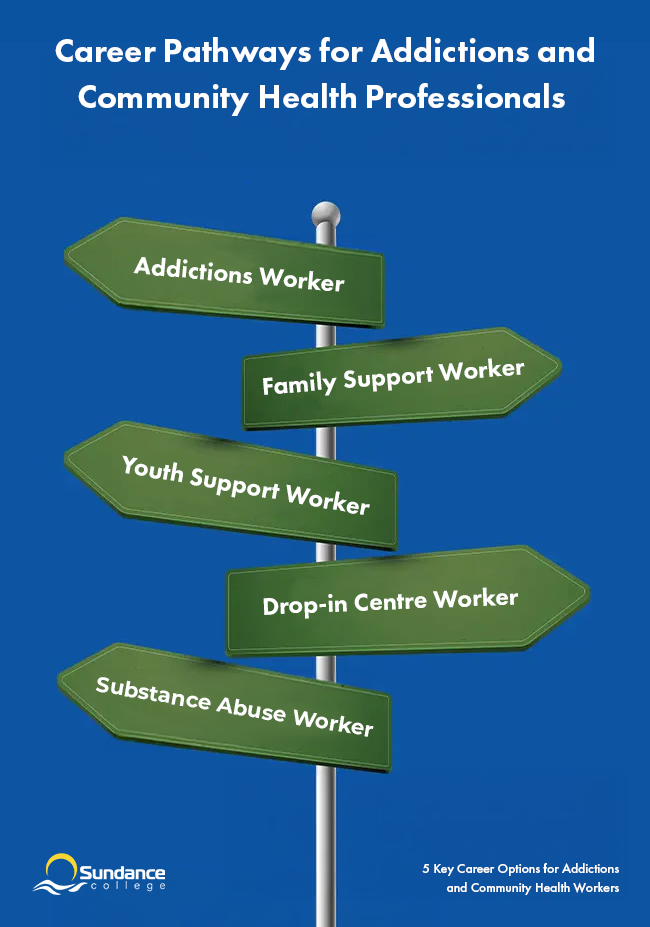
After graduating from a diploma program in Addictions and Community Health, here are five rewarding career options you may qualify for:
#1. Addictions Worker
As an addictions worker, you’ll work in treatment and recovery centres, shelters, community health organizations, outreach agency and residential care facilities. Your responsibilities could include:
- Meet with clients to understand their substance use or mental health concerns
- Create support plans based on each client’s needs
- Work with other professionals to coordinate care
- Keep accurate and private records of client progress
- Advocate for clients and connect them with community resources and services
Specific skills: You’ll need hands-on training in:
- Intake procedures and treatment planning
- Counseling and group facilitation
- Relapse prevention and intervention methods
#2. Family Support Worker
As a family support worker, you’ll work in community health centers, schools, social service agencies, and government organizations. Your primary responsibility will be helping families facing domestic violence, child abuse, substance abuse, cognitive-behavioral disorders, and poverty. This means you could:
- Conduct home visits and assessments to identify the needs and strengths of families
- Develop and implement service plans that address the specific needs of each family
- Provide education and support to families on parenting, child development, and life skills
- Advocate for families and connect them with community resources and support services
- Facilitate support groups and workshops for families
- Maintain accurate and confidential records of family progress and services provided
Specific skills: A good family support worker should be well-versed in:
- Interviewing and counselling techniques
- The psychology of addiction
- Community resources and services
#3. Youth Support Worker

These specialists care for and support youth experiencing a wide range of challenges, including mental health issues, behavioral problems, abuse, neglect, and poverty. If you plan to choose this career path, then you may work in residential treatment centers, group homes, schools, or community organizations.
Common youth support worker job duties include:
- Providing emotional support and guidance to youth
- Developing and implementing care plans that address the individual needs of youths
- Educating youth on life skills, social skills, and healthy coping strategies
- Advocating for youth and connecting them with community resources and support services
- Collaborating with other professionals, such as psychologists, social workers, and teachers, to develop and implement effective treatment plans
- Maintaining accurate and confidential records of individual progress
Specific skills: You’ll need to understand:
- Working with high-risk populations
- Intake procedures and treatment planning
- Counseling and group facilitation
- Relapse prevention and intervention methods
#4. Drop-in Centre Worker
As a drop-in centre worker, you’ll assist individuals and families experiencing homelessness or at risk of becoming homeless.
You will work in shelters, drop-in centers, and other community-based organizations that provide temporary housing and support services.
Your daily routine as a drop-in centre worker could include:
- Providing crisis intervention
- Assisting people in accessing basic needs such as food, clothing, and shelter
- Conducting intake assessments and creating individualized service plans
- Linking people in need to community resources and support services
- Collaborating with other professionals, such as social workers, healthcare providers, and housing specialists, to provide holistic support and services to clients
Specific Skills: Be trained in:
- Crisis intervention
- Mental health and addiction
- Harm reduction
- Trauma-informed care
#5. Substance Abuse Worker
In this role, you’ll support individuals affected by addiction to substances such as opioids, cannabis, hallucinogens, or alcohol. You may work in:
- treatment centres,
- community agencies,
- recovery programs,
- outreach services,
- shelters, or
- mental health settings.
To support each client’s wellbeing, you may:
- Conduct intake assessments and understand client needs and concerns
- Provide one on one and group support services
- Help clients access treatment, housing, counselling, or community resources
- Advocate for clients facing barriers that affect recovery
- Work with counsellors, healthcare staff, and community teams to coordinate care
- Support relapse prevention and recovery planning
Specific skills: You’ll need hands-on training in:
- Intake procedures
- Treatment planning
- Counseling and group facilitation
- Relapse prevention and intervention methods
How Grads Are Making a Difference with a Diploma in Addictions and Community Health
These are just some of the careers you can pursue with a diploma in Addictions and Community Health. Each option gives you the opportunity to support others and make a meaningful impact.
For Raejeanne, a Sundance College grad, working in addictions and community health gave her a new sense of purpose:
“Sundance College showed me a career I didn’t know was out there! Since graduating, I’ve led small and large group activities and done one-on-one counseling. Seeing people move from addiction to sober living with so much determination has been an amazing experience for me.”
How to Become an Addictions and Community Health Professional with Sundance College
At Sundance College, the Addictions and Community Health Professional diploma program prepares you to contribute from day one.
CACCF Approved Training
Sundance College’s Addictons and Community Health Professional diploma program is approved by the Canadian Addiction Counsellors Certification Federation. That means your training matches a nationally recognized standard in addiction counseling education.
Industry Experienced Instructors
Learn from instructors who have real-world experience in the field. They bring practical insight into the classroom, helping you build job-ready skills that reflect what employers are looking for today.
Curriculum with Practicum Experience
Your training covers addiction and mental health support, interviewing techniques, counselling strategies, and treatment planning. The program includes a practicum opportunity in a real-world setting. This gives you valuable workplace experience before you graduate.
Flexible Learning
Online learning can help you balance school with work, family, or other responsibilities. The modular format lets you study one course at a time, so you can focus more and retain knowledge better.
Support During Your Studies
Live onboarding helps you get started. The Becoming a Master Student course builds study habits and time management skills. Student Services also connects you with academic support, wellness referrals, and additional help when needed.
Career Support for Life
Career Services helps with resumes, interviews, and job searches during your studies and after graduation.
To get started, connect with an admissions advisor today.
FAQs
-
What careers can you pursue with an Addictions & Community Health Professional diploma?
You may pursue careers such as addictions worker, family support worker, youth support worker, substance abuse worker, or drop-in centre worker. Work settings include community agencies, shelters, recovery programs, and youth services.
-
What does an addictions and mental health worker do?
You’ll support people dealing with addiction, mental health concerns, or life struggles. Your responsibilities may include intake support, case planning, recovery guidance, crisis support, and connecting clients with resources.
-
What is the salary range for addictions and community health professionals?
You could earn up to $52,000 per year on average depending on your role, experience, and location.
-
What skills do you need to work in addictions and community health?
To work in addictions and community health, you’ll need:
- A relevant post-secondary diploma
- Intake and assessment skills
- Relapse prevention and intervention skills
- Interviewing and counselling skills
- Ethical thinking
- Communication and interpersonal skills
-
What is the difference between a family support worker and youth support worker?
A family support worker helps parents and families manage challenges at home. You may assist with parenting support, community resources, housing needs, or family concerns.
A youth support worker focuses on teens and young adults. They provide guidance and support in homes, schools, group care, or community programs.
-
What does a drop-in centre worker do?
A drop-in centre worker supports people who visit community drop-in programs for immediate help and practical resources. You may assist with meals, basic needs, referrals, crisis support, housing resources, and connections to community services. You also help create a safe, welcoming space for individuals facing difficult circumstances.
Subscribe for more career advice
Blog Categories
Share on: