
Blog / Top 9 New Year’s Resolutions for Career College Students
Sundance Blog
Top 9 New Year’s Resolutions for Career College Students

Explore our Diploma Programs
Fields of Study:
- Business, Hospitality, and Legal
- Health and Human Services
- Technology
Explore our Diploma Programs Learn more
Student aid eligible
29 December 2025 | Author: Jonathan Stoddart
| Read Time:
Quick Answer
Good resolutions for college students focus on building habits that support academic success and personal well-being. Setting realistic goals, staying organized, and creating consistent study routines can help reduce stress and strengthen focus. Prioritizing health, balance, and engagement in class also improves learning and long-term career readiness.

Table of Contents
The new year is a great time for college students to set goals. New study and organizational habits can improve both academic performance and personal well-being.
When goals are realistic and purposeful, they can guide not just the year ahead, but the direction of your future.
Tips for Making New Year’s Resolutions
Before you set specific resolutions this year, it’s important to think about how to improve your chances of success. Here are some simple tips to make your resolutions work:
- Be Specific: Instead of, “I want to study more,” try, “I will study 40 extra minutes per week.” Clarity will make it easier to achieve your goals.
- Stay Realistic: Pick goals that fit into your schedule and abilities. For example, instead of deciding to work out every single day, start with two or three days a week. This way, you won’t feel overwhelmed and are more likely to succeed.
- Break It Down: Big goals can feel scary, so split them into smaller steps. If you want to improve your communication skills, start by setting a target to answer one question from your instructor in each class. Small steps lead to big results.
- Measure Progress: Keep track of how you’re doing. For example, if you’re trying to save money, write down how much you save each week. Celebrating small wins can keep you motivated.
- Stay Flexible: Life happens, so it’s okay to adjust your goals. If you plan to attend a networking event but have a big test that week, reschedule it for another time. Being flexible helps you overcome challenges and stay on track.
- Prioritize: Focus on what matters most to you. If your main goal is to stay on track in your studies, prioritize coursework, deadlines, and exam preparation over tasks that can wait.
These tips can help you create resolutions that are easier to stick to and more rewarding.
Top 9 New Year’s Resolutions for College Students
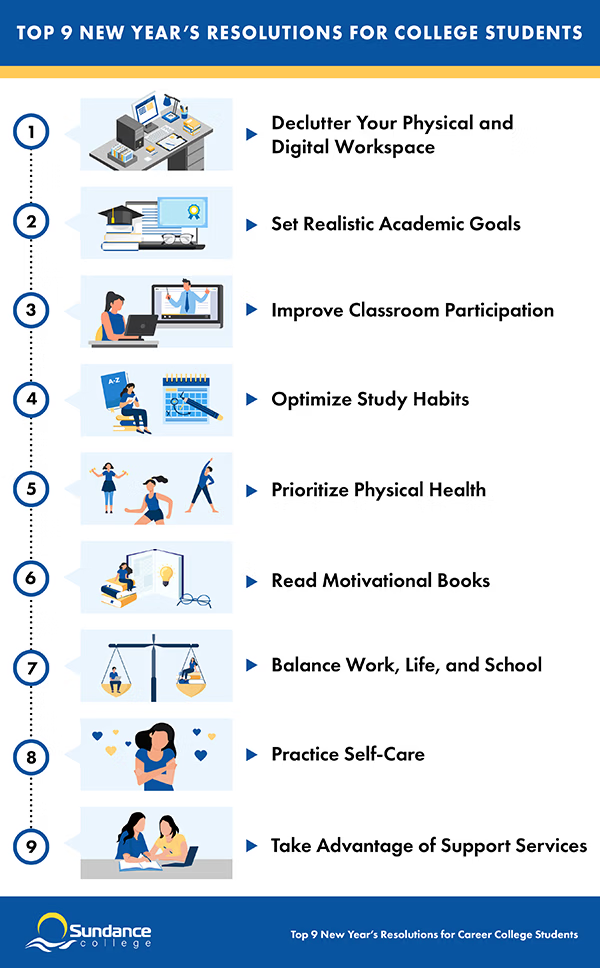
Here are 9 practical and impactful resolutions to help you make the most of your career college experience and prepare for a successful career.
1. Declutter Your Physical and Digital Workspace
Start the year with a fresh slate by tidying your desk. Throw away old papers, sort supplies, and keep only essentials within reach. For your digital space, delete unnecessary files, organize documents into folders, and clear out your email inbox.
A clean workspace helps you stay focused and reduces stress. According to instructors, this is one of the top productivity tips for students.
2. Set Realistic Academic Goals
Set achievable academic goals like improving grades in key subjects.
Stevie L., Sundance College’s Education Manager, identifies clarity as a major advantage for students.
“Students make the most progress in their coursework when they set goals that are ambitious but realistic. When you break your plan into clear steps, you’re able to see opportunities instead of obstacles.”
This kind of intentional planning helps students stay focused and build momentum throughout their program.
3. Improve Classroom Participation
Engage in class to boost your social connections. Ask questions to clarify points, share examples to connect material to real-world applications, and participate in discussions. This improves learning and helps you build better relationships with instructors and peers, which could lead to mentorship or recommendation opportunities.
Student Perspective
“The supportive environment at school really encouraged us to share ideas openly. Students came together in and outside the classroom to help each other, and that collaboration helped us learn and build lifelong professional relationships.”
— Laura S., Addictions & Community Health Professional Graduate
4. Optimize Study Habits
Studying smart is just as important as studying hard. Here are some key principles which have been proven to improve study habits.
- Pace yourself. The Pomodoro method suggests working in short intervals with scheduled breaks in order to improve focus.
- Make a few meaningful changes. Research from behavioural scientists shows that making small, consistent changes is far more effective than trying to overhaul your entire routine at once.
- Use technology. There is a host of apps and programs designed to improve study and time management. Anki, Quizlet, Notion, Pomofocus, Microsoft To Do and Google Tasks can all help you study smarter, stay organized, and stress less.
- Experiment with different environments. Find out whether you prefer quiet libraries or bustling coffee shops.
- Think ahead. Educational researchers emphasize that spacing your study sessions over time, rather than cramming, significantly improves long-term retention and understanding.
Whether you’re on a campus, or studying online from your local coffee shop, these are the study habits that will help you stay focused and organized.
Student Perspective
“Just be focused and look straight, don’t look sideways. The sky is just the beginning for you.”
– Oladimeji O., Supply Chain Management Professional graduate
5. Prioritize Physical Health
Your physical health directly impacts your energy and focus.
In 2026, commit to at least 30 minutes of exercise a few times a week, whether it’s walking, yoga, or hitting the gym.
Prioritize healthy eating for students by planning meals that include fruits, vegetables, and proteins to fuel your brain. Avoid skipping meals during busy days.
Aim for 7 – 9 hours of sleep each night to stay alert and reduce stress.
Following a healthy lifestyle for college students helps you tackle academic and professional challenges with more energy and confidence.
6. Read Motivational Books
Reading offers valuable insights and skills to help you grow.
For example, books like Atomic Habits by James Clear help develop positive habits for students. JumpStart Your Priorities: A 90-Day Improvement Plan by John C. Maxwell provides career and personal growth strategies.
Look for books on topics specific to your field, such as technology trends or community care principles, to align your reading with your study goals.
7. Balance Work, Life, and School

Balancing school, work, and personal life takes planning. In 2026, create a daily or weekly schedule that includes blocks for studying, attending classes, work shifts, and personal time. Use tools like Google Calendar or planner apps for effective time management.
Say no to tasks that don’t align with your priorities and set aside time for hobbies or relaxation to recharge and avoid burnout. A well-constructed schedule fosters study-life balance and helps you manage stress.
8. Practice Self-Care
Set yourself up for college success by taking care of your mental and emotional health. Practice mindfulness through meditation apps, breathing exercises, or yoga. Dedicate time to hobbies you enjoy, whether it’s painting, gaming, or spending time with friends.
Regular self-care will keep you refreshed and help you overcome procrastination in the upcoming year.
9. Take Advantage of Support Services
At Sundance College, we are here to support you every step of the way.
- All our students have lifetime access to career services, supporting practicum placements and offering guidance with resumes, interview skills, and job search.
- We provide a 24/7 platform for mental health support, making sure you have the resources to maintain your well-being.
- Our flexible online learning format, focusing on one course at a time, supports you on your way to balancing studies and personal life, so you can study at your own pace from the comfort of home.
With Sundance College by your side, you have the tools and support to make 2026 a year of growth and success! Take our career quiz to determine which career path is best for you.
FAQs
-
What are good New Year’s resolutions for college students in 2026?
Strong New Year’s resolutions for college students focus on better study habits, staying organized, and prioritizing balance. Useful goals include decluttering your workspace, setting clear academic and career targets, improving classroom participation, and practicing self-care. Small actions, like studying an extra 40 minutes a week or attending one networking event per month can also create meaningful progress throughout the year.
-
How can college students set realistic goals for the new year?
Students can set realistic resolutions by making goals specific, measurable, achievable, relevant, and time-bound. Instead of general intentions like “get better grades,” choose clear steps such as “study 40 extra minutes a week” or “submit assignments two days early.” Breaking big goals into smaller tasks and adjusting them when life gets busy helps keep resolutions achievable and consistent throughout the year.
-
Why do many New Year’s resolutions fail and how can college students be more successful?
Resolutions often fail because they are too vague, too demanding, or don’t include a realistic plan. Burnout and trying to change everything at once also make goals harder to maintain. To avoid failed resolutions, students should focus on a few meaningful goals, break them into small weekly actions, and stay flexible when challenges come up. Celebrating small wins and checking in regularly helps keep motivation strong.
-
What steps can a college student take to maintain a balanced study-life routine in the new year?
A balanced routine starts with planning. Students can use weekly schedules to map out classes, study blocks, work shifts, and personal time. Setting limits around schoolwork, like using the Pomodoro method or studying at consistent times, helps prevent burnout. Adding regular self-care, sleep, and short breaks keeps energy levels steady. Staying organized, saying no to non-essential commitments, and adjusting the plan when life gets busy all contribute to strong study-life balance.
-
How can students track progress on their resolutions throughout the year?
Checking in regularly to review what’s working and where adjustments are needed is key to keeping momentum.
Using planners, habit-tracking apps, or simple checklists makes progress easy to see and keeps goals front and center.
Breaking resolutions into smaller milestones also helps students notice wins sooner, which boosts motivation. When setbacks happen, updating the plan keeps momentum going.
Every Sundance College student begins by taking a class called ‘Becoming a Master Student’, which teaches effective techniques for goal setting.
-
How can New Year’s resolutions help students develop better habits beyond the classroom?
New Year’s resolutions help students develop better habits by encouraging intentional choices that support personal development throughout your studies. When you focus on realistic goals, you’re more likely to build routines that improve time management, organization, and self-discipline. These habits often carry over into daily life, helping students manage stress, maintain balance, and stay motivated. Over time, strong student habits contribute to greater confidence and a healthier approach to both personal and professional growth.
Subscribe for more career advice
Blog Categories
Share on: