
Blog / Hospital Administration Jobs: Start Your Healthcare Career Today
Sundance Blog
Hospital Administration Jobs: Start Your Healthcare Career Today

Medical Office Administration – Health Unit Coordinator Diploma
Employment Opportunities:
- Medical Receptionist
- Medical Secretary
- Medical Office Assistant
- Hospital Unit Clerk
Medical Office Administration – Health Unit Coordinator Learn more
Student aid eligible
8 June 2026 | Author: Vallankan Mendonca
| Read Time:
Quick Answer
Skilled administrative professionals are important to the smooth running of every hospital. They schedule appointments, keep track of patient information, and help the front office work effectively.
These roles include medical office assistants, hospital unit clerks, and medical billing clerks. Most hospital administration jobs require a diploma, which can usually be completed in less than a year. The shorter training time makes this career a practical option to enter healthcare.

Table of Contents
Behind every well-run hospital is a team of dedicated administrators who make sure patients receive the care they need. From handling admissions to scheduling appointments and connecting people to the right services, their work impacts the patient experience at every step.
Hospital administration roles offer stability, growth opportunities, and chances to make a difference every day. Whether you’re starting your first job or taking your next step in the field, there are many rewarding roles to explore.
Let’s look at the top hospital administration roles, what daily work involves, and how to get started.
What Are Hospital Administration Jobs?
Hospital administration jobs support many of the administrative and patient service processes hospitals rely on every day. These professionals coordinate services, manage scheduling and records, and support communication to assist patients and healthcare teams.
Think of hospital administration as a hospital’s nervous system, keeping information flowing between patients, staff, and departments. Just like nerves send signals throughout the body, hospital administrators help the right information reach the right people at the right time.
Hospital administration jobs include:
- Medical Receptionist
- Medical Secretary
- Medical Office Assistant
- Hospital Unit Clerk
- Medical Billing Clerk
Each of these roles plays an important part in patient experience. Their work supports communication, organization, and coordination throughout the hospital, helping patients access the care and services they need.
Why Hospital Administration Roles are Key to Hospital Operations
Hospitals rely on more than doctors and nurses. Hospital administration roles keep everything organized by helping patients move through the healthcare system. They keep records accurate, and make sure medical teams have the information they need.
These professionals are often the first and last point of contact for patients, handling admissions, scheduling, and coordination between departments. They also play a vital role behind the scenes, updating records, processing billing, and keeping hospital workflows on track.
Without hospital administrators, patients would face longer wait times, medical teams would struggle with disorganization, and critical procedures could be delayed. Whether at the front desk, in a hospital unit, or managing records, these roles keep hospitals running every day.
Why Consider a Career in Hospital Administration?
A career in hospital administration can be rewarding in many ways. Here’s why it could be the perfect career match:
Make a Difference: Hospital administration professionals guide patients and help them access the right care.
Stability and Growing Demand: With increasing healthcare needs, hospital administration offers strong job security and a steady demand for skilled healthcare professionals.
Growth Opportunities: Hospital administration provides a clear path to senior and supervisory positions over time.
Diverse Career Pathways: With a variety of positions available, you can choose a path that matches your strengths and interests.
Start Working in No Time: Specialized diploma programs from schools like Sundance College provide career-focused training in as little as 43 weeks.
Top Hospital Administration Positions
Now, ask yourself: what type of hospital administration career can you see yourself in? Learn about each position and find the role that suits you best.
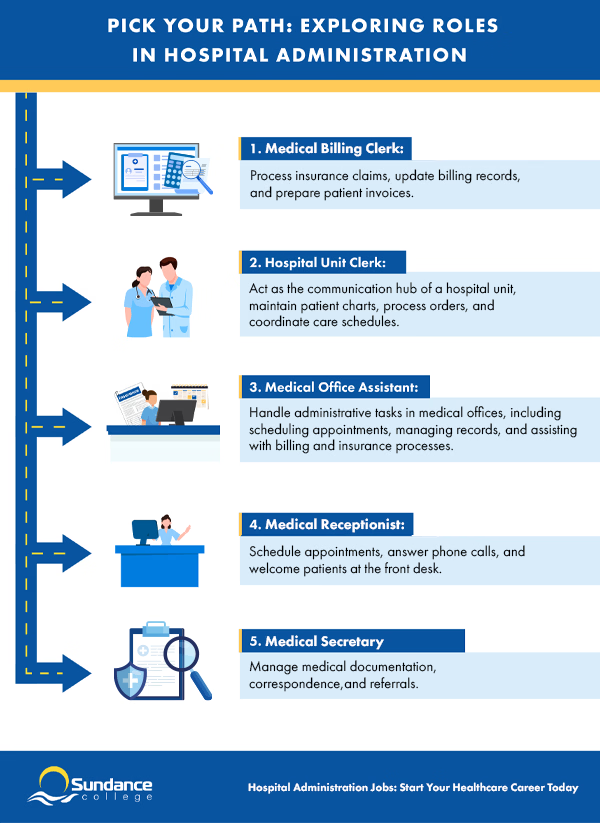
Medical Billing Clerk
Every hospital visit involves billing, insurance claims, and payment records that need to be processed correctly. As a medical billing clerk, you handle claims, invoices, and patient billing information to support accurate healthcare payments and documentation.
Here’s what to expect from this role:
Responsibilities
- Prepare invoices and process insurance claims.
- Update billing records and patient payment information.
- Verify insurance coverage and assist with billing questions.
- Maintain accurate financial and medical documentation.
Key Skills
- Medical billing and insurance processing: Submit claims and review billing information accurately.
- Record management: Maintain organized billing and payment records.
Work Environment
- Work in hospitals, clinics, and medical offices.
- Frequent communication with insurance providers and administrative teams.
- Typically work regular office hours.
Hospital Unit Clerk
In a hospital, there’s always a lot happening at once. Nurses move between patients, doctors review charts and discuss care plans, and calls come in from different departments. As a hospital unit clerk, you help keep communication organized and make sure healthcare teams have the information they need.
Here’s what to expect from this role:
Responsibilities
- Maintain patient charts and facilitate communication within units.
- Transcribe physician orders and coordinate patient care logistics.
- Schedule treatments and manage workflow among medical staff.
Key Skills
- Medical transcription techniques: Accurately transcribe physician orders, process diagnostic test requests, and relay essential patient care information.
- Manage patient movement: Coordinate lab tests, specialist consultations, and medical procedures to maintain timely execution.
Work Environment
- Positioned at the nursing station within hospital units.
- Fast-paced, team-based setting.
- Requires shift flexibility to support continuous hospital operations.
Medical Office Assistant
Unlike hospital unit clerks who focus on specific administrative responsibilities, medical office assistants often handle both administrative and clinical duties. Working closely with healthcare teams you will manage patient flow, coordinate appointments, and assist with clinical and office procedures.
Here’s what to expect from this role:
Responsibilities
- Schedule appointments and assist with administrative tasks.
- Manage patient records and ensure proper documentation.
- Process billing and insurance claims.
- Support physicians by assisting in basic clinical tasks like preparing exam rooms.
Key Skills
- Diagnostic testing and pharmacology basics: Prepare lab test requests, explain procedures to patients, and assist with prescription handling.
- Medical billing, coding, and insurance claim processing: Submit claims, verify coverage, and explain financial responsibilities to patients.
Work Environment
- Can work in diverse healthcare settings like clinics, outpatient facilities, and hospitals.
- Typically follows regular business hours but may include evenings and weekends.
- Mix of front-desk work and back-office responsibilities.
Medical Receptionist
As a medical receptionist, you help manage the flow of patients entering and leaving a hospital. Your work focuses on front desk communication, scheduling, and patient coordination.
Here’s what to expect from this role:
Responsibilities
- Schedule appointments and answer phone calls.
- Welcome patients and update patient information.
- Manage front desk communication and administrative paperwork.
- Coordinate patient check-ins and appointment flow.
Key Skills
- Patient scheduling and communication: Coordinate appointments and provide information clearly.
- Front desk coordination: Manage calls, paperwork, and patient inquiries.
Work Environment
- Work at the front desk of hospitals, clinics, and healthcare offices.
- Frequent interaction with patients and visitors.
- May include evening or weekend shifts depending on the facility.
Medical Secretary
Medical secretaries provide administrative support in hospitals, clinics, and other healthcare settings. They coordinate appointments, maintain patient records, and act as key contacts for patients, caregivers, and healthcare staff.
Responsibilities
- Schedule patient appointments, consultations, and medical procedures.
- Maintain patient records and update administrative documentation.
- Answer phone calls, greet patients, and direct inquiries to the appropriate department.
Key Skills
- Medical terminology: Use medical terminology accurately when handling patient records, referrals, and healthcare documents.
- Scheduling and patient record management: Coordinate appointments, maintain electronic health records (EHRs), and process billing information to support daily healthcare office operations.
- Communication: Communicate with patients, physicians, and healthcare teams by answering inquiries, sharing information, and handling administrative requests.
Work Environment
- Work in hospitals, medical clinics, and other healthcare settings.
- Regular interaction with patients, caregivers, and healthcare professionals.
- Primarily based at reception desks, administrative offices, or patient service areas.
Skills Needed for Hospital Administration Roles

Success in hospital administration positions requires a well-rounded mix of hard and soft skills. However, what skills will make sure you get the job done and do it successfully? Check out what you need here:
Hard Skills
- Medical Terminology Proficiency
- Electronic Health Records (EHR) Systems Capabilities
- Scheduling and Coordination
- Billing and Insurance Knowledge
- Office Software Competence
Soft Skills
- Communication Skills
- Customer Service Orientation
- Organization
- Time Management
- Problem-Solving
- Adaptability
- Attention to Detail
- Work Under Pressure
No matter what hospital administration role you take, these are the skills you’ll need to support healthcare operations effectively.
How to Start Your Career in Hospital Administration
With proper training, starting a career in hospital administration is within reach. Sundance College’s Medical Office Administration diploma equips you for in-demand roles including hospital unit clerk, medical billing clerk, and medical office assistant. The program includes hands-on learning and real-world experience through a practicum opportunity, so you gain skills needed to succeed in healthcare.
To get started, contact an admissions advisor today.
FAQs
-
What are the most common hospital administration jobs?
The most common hospital administration jobs include:
- hospital unit clerks
- medical office assistants
- medical receptionists
- medical billing clerks
- medical secretary
These careers support patient services, scheduling, and healthcare communication in hospitals and other medical settings.
-
What does a hospital unit clerk do on a daily basis?
The day-to-day responsibilities of hospital unit clerks include
- registering patients
- updating patient information
- managing schedules
- explaining hospital procedures
- completing admission paperwork
-
What is the difference between a hospital unit clerk and a medical office assistant?
Hospital unit clerks mainly support communication, records, and administrative coordination within hospitals. Medical office assistants often handle a mix of administrative and clinical responsibilities, including scheduling, billing, patient records, and basic clinical support.
-
What skills are needed for hospital administration positions?
Hospital administration careers often require you to be skilled with:
- medical office procedures
- medical terminology and transcription
- electronic medical records and billing
- clinical procedures
- health unit clerk procedures
-
What education do I need to start a career in hospital administration?
The Medical Office Administration – Health Unit Coordinator diploma program prepares you for careers in less than a year. You’ll build skills in
- medical office procedures
- medical terminology and transcription
- electronic medical records and billing
- clinical procedures
- health unit clerk procedures
-
Can one diploma qualify me for multiple hospital administration roles?
Yes. The Medical Office Administration – Health Unit Coordinator diploma program prepares you for several healthcare administration careers, including
- hospital unit clerks
- medical office assistants
- medical receptionists
- medical billing clerks
- medical secretaries
Subscribe for more career advice
Blog Categories
Share on: