
Blog / What Is a Personal Support Worker (PSW) and What Do They Do?
Sundance Blog
What Is a Personal Support Worker (PSW) and What Do They Do?

Personal Support Worker Diploma
Employment Opportunities:
- Personal Aide - Home Support
- Family Caregiver
- Personal Support Worker
- Home Support Worker
Personal Support Worker Learn more
Student aid eligible
21 September 2026 | Author: Nick Greene
| Read Time:
Quick Answer
Personal Support Workers (PSWs) provide care to individuals facing challenges due to aging, illness, or disability. They help with meal preparation, medication reminders, mobility, and hygiene.
PSWs also support clients' independence through physical and emotional assistance.
Depending on the workplace, whether in home care, hospital, or long-term care settings, PSWs may:
- Help clients with cognitive impairments
- Advocate for client safety, dignity, and well-being
- Provide respite care
- Promote social engagement, exercise, and other healthy habits
- Maintain and organize client records
- Respond to challenging behaviors with patience and empathy
Table of Contents
A PSW may help one client get dressed, another move safely, and another manage daily routines while recovering from an injury – all in the same day. Personal Support Workers provide essential, hands-on care to seniors and people living with illnesses or disabilities. Their work is practical, varied, and requires sound judgment, specialized skills, and close attention to each client’s needs.
As you consider a career as a PSW, here is what you need to know about the role, its responsibilities, and the skills required in different care settings.
The Roles and Responsibilities of a PSW
PSWs support their clients with many aspects of daily life. Their responsibilities vary based on their client’s needs and care settings.
They apply specialized skills to promote client health, wellness, and independence.
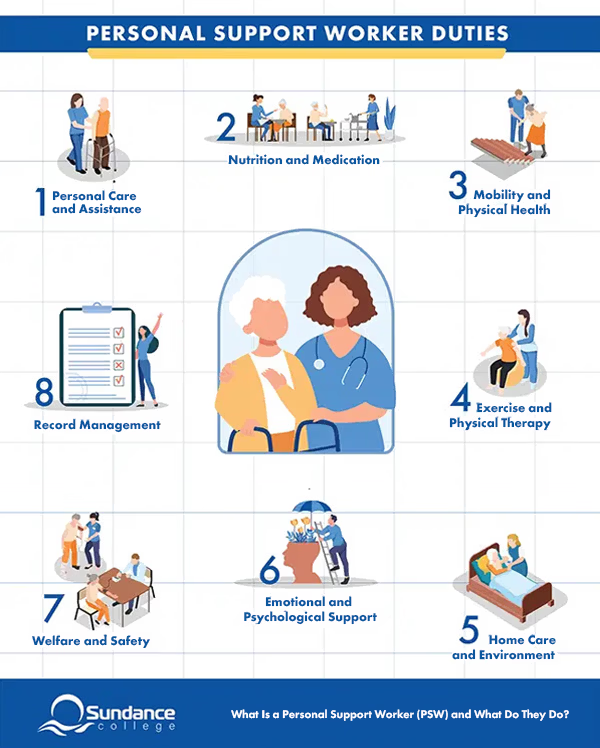
A PSW’s responsibilities include:
Personal Care and Assistance
Personal care is an important part of PSW’s work. This includes helping clients with personal hygiene tasks for maintaining the dignity of their clients. PSWs are trained to deliver these services with respect and sensitivity.
“Improving a client’s quality of life starts with seeing the person as an individual, not simply focusing on their health condition or disability. PSWs make a meaningful difference by creating a safe, comfortable, and supportive environment while encouraging clients to maintain as much independence as possible. Taking the time to understand a client’s routines, preferences, interests, and abilities help ensure care is personalized and allows the client to remain involved in decisions about their daily life.”
– Buki B, Personal Support Worker Instructor at Sundance College
Safe, personalized, and compassionate care is essential for a client’s overall well-being.
Nutritional Support and Medication Management
PSWs prepare meals and assist clients during mealtimes. They consider dietary requirements, preferences, and also observe changes in appetite or eating habits.
When assisting with meals, PSWs consider a client’s dietary requirements, preferences, cultural background, and individual abilities. They further create a comfortable mealtime environment, observe changes in appetite, eating habits, and identify any concerns to the care team.
PSWs also help clients maintain health and wellness through medication reminders.
Mobility and Physical Health
Mobility support involves aiding in walking, transferring from bed to chair, or facilitating prescribed exercises. They follow care instructions and use safe techniques during these activities. Their support is crucial for preventing falls, maintaining muscle strength, and enhancing mobility.
Exercise and Physical Therapy Assistance
PSWs assist clients with exercises prescribed by healthcare professionals, supporting physical rehabilitation and preventing further decline in function. This assistance ranges from gentle stretching to more structured exercise routines, depending on the client’s condition and capabilities. By providing motivation and physical support, PSWs help clients achieve mobility goals, contributing to their well-being and independence.
Emotional and Psychological Support
PSWs often spend significant time with their clients. This gives them opportunities to provide companionship and social interaction.
They talk with clients, participate in hobbies, or help them stay connected with friends and family. These activities support social connections and quality of life.
Emotional and psychological support are key components of the holistic care provided by PSWs. They offer support, companionship, and a listening ear to clients dealing with emotional distress or loneliness.
This support can significantly improve clients’ mental health by providing a sense of belonging and connection. PSWs are also trained to observe signs of emotional distress and provide appropriate interventions or referrals.
Empathy is an important characteristic for anyone who works in personal support.
Home Care and Environmental Management
PSWs working in home care also help maintain a clean and safe living environment.
Common tasks include laundry, light housekeeping, and removing potential hazards. These tasks help create a safer space for clients receiving care at home.
Welfare and Safety Assurance
A client’s family and friends trust PSWs with the safety of their loved one. Personal Support Workers are responsible for following health and safety practices while providing care. They also watch for potential risks in the client’s environment.
Record Management
A Personal Support Worker spends a lot of one-on-one time with clients. They will often be the first to notice changes in the client’s behaviour, routines, or mobility.
PSWs document relevant information about the care they provide. Accurate documentation helps other members of the care team understand the client’s needs. It also supports consistent care between shifts for clients’ overall wellbeing.
PSW Care Across Different Settings

PSWs work in private homes with clients, hospitals with patients, long-term care facilities, and assisted living environments with residents. Their specific responsibilities change based on the setting and the client’s needs.
Supporting Clients with Cognitive Impairments
PSWs support clients experiencing cognitive decline and other impairments. This requires patience, consistency, clear communication, and careful observation.
“PSWs should use simple, respectful language, allow clients additional time to process information and respond, and pay attention to non-verbal communication. Maintaining familiar routines and creating a calm environment helps reduce confusion or anxiety. Most importantly, the individual should continue to be included in conversations and decisions about their care as much as possible.”
– Buki B, Personal Support Worker Instructor at Sundance College
In-Home Healthcare Services
PSWs provide home healthcare services to enhance the client’s quality of life within their own home. From elderly care to dementia care, PSWs adapt their approach to meet the unique needs of each client.
For example, one client might need complete mobility support, while another may require help with personal care, meals, or prescribed exercises.
Support in Hospital and Acute Care
In hospital, PSWs support the clinical team by providing basic care and assistance. They play a critical role in the patient’s recovery process by helping with:
- Mobility
- Emotional and psychological wellness
- Rehabilitation
- Comfort and personal care
Long-Term Care and Assisted Living
Within long-term care and assisted living facilities, PSWs focus on providing ongoing support to residents. They focus on Activities of Daily Living (ADLs), engaging residents socially, and meeting the evolving care needs of each resident. They play a key role in fostering community among residents through facility-wide activities.
Patient Advocacy
Patient advocacy is a vital responsibility of PSWs, especially in hospital or long-term care settings. PSWs spend significant time with their clients and notice concerns before other members of the care team and loved ones do.
This positions them to act as a voice for clients, ensuring their preferences and needs are respected.
“Advocacy begins with seeing the person before the disability. A PSW’s role is not simply to speak on behalf of a client, but to create a safe and supportive environment where clients are empowered to express their own wants, needs, choices and decisions.
This includes practicing good listening skills, recognizing verbal and non-verbal communication, allowing clients enough time to process and respond, and ensuring they are included in decisions that directly or indirectly affect their lives. Through empathy, compassion, and respect, PSWs ensure every client feels heard, valued, and treated with dignity.”
– Buki B, Personal Support Worker Instructor at Sundance College
By listening to a client’s preferences and concerns, PSWs are able to communicate these to care teams and physicians.
Assisting with Medical Appointments
PSWs often help clients schedule medical appointments and also accompany them to these appointments.
They help clients stay organized and communicate relevant concerns. This support includes:
- Helping the client understand instructions and treatments
- Taking notes for later reference by both the client and other PSWs
- Communicating care preferences and concerns
The Importance of Communication and Reporting
Communication is an important part of PSW work. If there are any changes in a client’s condition, mobility, behaviour, or mood, reporting these helps the care team respond appropriately.
Clear documentation also gives other caregivers useful information about the client’s needs.
Promoting Social Engagement and Recreation
Socialization and recreation are extremely important to quality of life. They’re also easily neglected when a client is struggling with a disability, injury, or chronic illness. PSWs help clients maintain social connections, participate in hobbies, and find activities they enjoy.
Understanding and Responding to Challenging Behaviors
Clients may occasionally display behaviours that are difficult to manage. These behaviors communicate discomfort, frustration, confusion, or another unmet need.
“It is important for PSWs to look beyond the behaviour itself and consider what the client may be trying to express. Staying calm, listening carefully, observing potential triggers, and approaching the situation with empathy can help a PSW better understand and respond to the client’s needs.”
– Buki B, Personal Support Worker Instructor at Sundance College
Respite Care
PSWs provide respite care to give family caregivers a break from their caregiving responsibilities.
Respite care can take place in a client’s home or in a care facility. It gives family caregivers time to work, rest, attend appointments, or manage other responsibilities.
The Versatility of PSWs

PSW work involves physical, social, and emotional responsibilities. Each day can bring different client needs and situations.
PSWs stay calm, adapt their approach, and use problem solving skills throughout the day. Strong communication and observation skills also help them provide consistent care.
What Does a Typical Day for a PSW Look Like?

A Personal Support Worker’s schedule and responsibilities vary by care setting and client needs. However, a typical shift includes several common tasks:
Early Start: Some PSWs begin their shifts early to assist clients with morning routines. These include helping with personal care needs, meal and medication preparation, and household tasks.
Client Activities: PSWs spend their day assisting with physical, social, and recreational activities. These are crucial to keeping clients happy, healthy, and independent. These activities include having a conversation, or other activities suited to the client.
Meal Preparation: A PSW will plan and prepare meals for their clients, based on dietary and physical restrictions.
Observation and Reporting: PSWs are often the first to notice changes in their clients’ personality, mobility, and demeanor. They document and report any issues or opportunities throughout the day.
Documentation and Shift Change: PSWs record the care provided and note any changes in the client’s condition, routine, behaviour, or care needs in a communication book or other designated record. At the end of the shift, they share relevant information with the next caregiver to help maintain consistent care.
Why PSWs are Important in Healthcare

Personal Support Workers play a critical role in healthcare, providing essential services across institutional, private, and home-based settings. Their dedication to offering personalized, compassionate care is fundamental to client well-being. Even as healthcare continues to change, PSWs will remain important.
Is a Career as a Personal Support Worker Right for You?
Personal Support Workers (PSWs) help their clients with daily activities while supporting their safety, comfort, and independence.
They work across many care environments, providing support from personal hygiene to patient advocacy. Along with compassion and empathy, PSWs need practical knowledge, specialized care skills, observation, and an understanding of client care.
Sundance College’s 43-week Personal Support Worker diploma program prepares you with practical skills needed to enter the field. The program includes a 7-week practicum opportunity, and covers:
- PSW Foundations
- Safety and Mobility
- Assisting the Dying Person
- Abuse and Neglect
- Assisting with Medications
- Assisting with Personal Hygiene
- Household Management, Nutrition, and Hydration
- Care Planning, Restorative Care, and Working in the Community
- Cognitive and Mental Health Issues & Brain Injuries
- Body Systems
- And more
“I had an amazing experience in the Personal Support Worker program at Sundance College. The instructor brought extensive knowledge to the classroom and made essential caregiving skills easy to understand. Thanks to the guidance, I feel completely prepared to support my future clients.”
– Asatu Roke S., Personal Support Worker
Graduates pursue roles such as Personal Aide – Home Support, Family Caregiver, Personal Support Worker, and more.
Find out which of these career paths is right for you by taking our Career Readiness Quiz, or connect with us to learn more.
Frequently Asked Questions about Personal Support Workers
-
Where do Personal Support Workers work?
PSWs work in a range of care environments based on client needs. Common PSW work settings include
- Private homes
- Long-term care facilities
- Assisted living centres
- Hospitals
Some also support clients in acute care settings during recovery. Each environment offers a different pace and level of care.
-
Do PSWs administer medication to clients?
It depends on the setting. PSWs provide medication reminders to help clients stay on track with their health regime. This is part of PSW medication management within a non-clinical care role.
In some settings, trained PSWs may assist with medications under supervision, depending on guidelines and employer policies.
-
Are PSWs considered healthcare workers?
Yes. A PSW is a healthcare worker who provides frontline care and support to patients and clients in healthcare and community settings. They play an essential healthcare role by helping vulnerable populations with daily care, safety, and overall well-being.
-
What soft skills are needed to become a PSW?
Strong PSW soft skills help build trust and provide quality care. These include empathy, patience, and compassion, along with well-developed interpersonal skills. PSWs need emotional resilience to support clients through different situations while maintaining the dignity of care.
-
How do PSWs assist clients with mobility?
PSWs provide mobility support throughout the day. This can include walking assistance, bed to chair transfers, and help with prescribed exercises. Their support helps with fall prevention, maintains strength, and supports safe movement.
-
Is a diploma required to work as a PSW?
Yes, employers look for candidates who have completed a PSW diploma program or a healthcare diploma. A structured program covers specific PSW program requirements, hands-on training, and practical experience. Earning a personal support worker certification helps you enter the field with the skills needed to begin working.
Subscribe for more career advice
Blog Categories
Share on: