
Blog / 2026 Predictions: What the Future of Work Will Look Like
Sundance Blog
2026 Predictions: What the Future of Work Will Look Like

Explore our Diploma Programs
Fields of Study:
- Business, Hospitality, and Legal
- Health and Human Services
- Technology
Explore our Diploma Programs Learn more
Student aid eligible
13 April 2026 | Author: Richelle Peace
| Read Time:
Quick Answer
The future of work in 2026 is changing quickly. Trends show a shift toward practical, job-ready skills, digital knowledge, and continuous learning. As AI adoption grows and healthcare faces ongoing shortages, employers are placing more value on what employees and candidates can do on day one. The more adaptable you are, the more opportunities you create for yourself.
Table of Contents
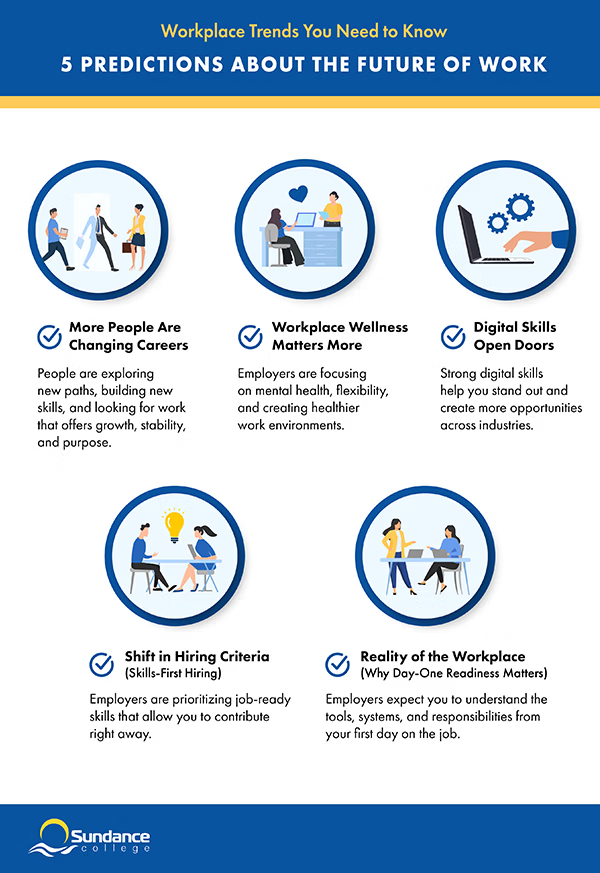
- 1. Career Changes Happening More Often
- 2. Increased Focus on Health and Wellness in the Workplace
- 3. Digital Literacy Skills Will Unlock New Opportunities at Work
- 4. Shift in Hiring Criteria (Skills-First Hiring)
- 5. Reality of the Workplace (Why Day-One Readiness Matters)
- How Sundance College Prepares You for the Future of Work
- Frequently Asked Questions About the Future of Work
The way people build careers is changing faster than ever and employers are changing with it.
In 2026, it’s no longer enough to have experience or a general education. Employers want people who can step in, use the tools of the job, and contribute right away. At the same time, many Canadians are rethinking their careers entirely. They are looking for more stability, better income, and work that actually fits their lives.
These shifts are already reshaping hiring across industries. From growing demand in healthcare to the rapid adoption of AI and digital tools, the expectations for workers are changing.
Keep reading to find out what to expect in 2026.
1. Career Changes Happening More Often
It’s no surprise that the job market is changing in 2026. More industries are starting to use new tools and technology, and AI is helping reshape how people work, learn, and grow in their careers.
These changes are opening the door to new, in-demand career paths. This is especially true in fields like health and human services, business, legal services, and technology, where skilled professionals are in demand.
As a result, many people are rethinking their career choices. In fact, in a 2025 poll, nine out of ten job seekers say they would change careers if given the chance.
If you’re one of them, you’re likely searching for work that offers greater stability, growth, and purpose. That might mean better pay, more responsibility, improved work-life balance, or work you feel proud of.
More and more people are building new skills and moving toward careers that align with their long-term goals.
Identify your long-term goals by taking this Career Quiz.
2. Increased Focus on Health and Wellness in the Workplace

Ever finish a long day of work and feel drained, with barely any energy left for yourself or your family?
About 24% of working Canadians say they experience burnout most of the time or always, according to a 2024 report from Mental Health Research Canada.
Employers are putting more focus on physical and mental health by offering flexible schedules, access to gyms, and other wellness programs. Simple changes like mental health days, access to employee support programs, and remote options are becoming part of everyday work culture.
This shift is also driving demand for roles in healthcare careers and wellness-focused professions that support both individuals and organizations.
3. Digital Literacy Skills Will Unlock New Opportunities at Work
Digital literacy is opening doors across industries and giving workers new ways to grow their careers. If you’re starting a new path or building on an existing one, staying up to date with digital skills creates opportunities that help you stand out.
Here are a few examples of how workplace technology is used across different professions:
Addictions and Community Health Professionals: Use digital tools to document client progress, manage case files, and communicate with care teams. Many roles rely on secure systems for record keeping, virtual support, and coordinating services across organizations.
Medical Office Assistants: Use electronic medical records, scheduling software, and digital communication tools to keep healthcare teams organized and patient care on track.
Accounting, Tax, or Payroll Assistants: Accounting software and digital tools remain fundamental to manage financial records, process payroll, and prepare tax documents. Many roles rely on platforms like QuickBooks and Excel to track data and maintain accuracy.
Legal Assistants: Rely on case management systems, e-filing platforms, and secure communication tools to support lawyers and keep legal operations running efficiently.
4. Shift in Hiring Criteria (Skills-First Hiring)
Employers in 2026 are shifting towards skills-first hiring. This is what hiring decisions will come down to: What candidates can do, not just what they studied.
This shift towards skills-first hiring means practical experience matters. Employers are looking for people who can:
- Use industry tools
- Communicate professionally with clients or patients, coworkers, and supervisors
- Follow systems and processes while maintaining workflows and step-by-step tasks
It comes down to having the right training and practical experience before you apply.
“What employers expect today isn’t always what was required even a few years ago. There are technical skills they expect to see on your resume, including hands-on experience.”
Taylor Lapierre, Vice President Academics, Sundance College
Career- focused training gives you a clear, direct path into these roles. Build the right skills upfront, and you can move into a new job faster with more stability and room to grow.
5. Reality of the Workplace (Why Day-One Readiness Matters)
In 2026, employers expect new hires to step in and handle real tasks right away.
Daily work depends on systems and software that are already in place, so there’s a strong focus on being prepared before you start.
Hiring decisions are shifting toward candidates who already understand how the work gets done. If you’re moving into a new career, building these skills ahead of time helps you move into a role with more responsibility and opportunity.
This is why it’s ideal to get educational training first.
When you show up with hands-on training and confidence using the tools of the job, you’re ready to contribute from your first day.
How Sundance College Prepares You for the Future of Work
Workplaces in 2026 will reward those who build practical skills and stay open to change. Sundance College diploma programs give you the hands-on training and real-world practicum opportunities that employers look for. Get career-ready training in business, healthcare, legal, and technology careers built to provide what employers are looking for.
Here’s what you can expect:
- Develop job-ready skills that reflect what employers are hiring for right now.
- Job placement support that helps you move into your new career.
- Hands-on learning and practicum opportunities to help you gain experience before you graduate.
Sundance College is your strong starting point for building a career that fits your goals. Connect with an advisor to get started today.
Frequently Asked Questions About the Future of Work
-
How can I create a goal-oriented career plan for 2026?
Start with clear career planning by identifying your strengths, interests, and long-term goals. A goal-oriented career plan should include specific skills you want to build, and the steps needed to get there. Focus on practical, job-ready training that aligns with current industry needs.
-
What are the best career opportunities for 2026?
The best career opportunities in Canada are those that align with growing industries and evolving workplace needs. Job opportunities are strong in healthcare, business, and technology. Look for careers that offer growth, stability, and opportunities to build new skills.
-
Which jobs will be most in demand in 2026?
In-demand jobs in 2026 include roles in healthcare, administrative support, and accounting and legal professions. Positions that require practical skills and hands-on experience continue to grow. Employers are looking for candidates who can contribute from day one.
-
Do I need tech skills to stay employable in 2026?
Yes, digital skills in 2026 are becoming a standard requirement in all growing roles. Technical knowledge helps you stay competitive and adapt to new tools. Building these skills improves your ability to grow and move into new roles or careers.
-
How can a diploma help me adapt to future job trends?
There are many benefits of completing a diploma program, with job-ready training being one of the most valuable. At Sundance College, the programs are designed to meet employer requirements. Another benefit is the Career Services provided to students to help transition from education to employment.
-
How can I successfully change careers in 2026?
To successfully change careers in 2026, choose a role that reflects the current job trends and focus on building the skills needed to do the work. Hands on training with industry-specific tools and a practicum opportunity give you real-world experience you can highlight in your job search.
Subscribe for more career advice
Blog Categories
Share on: