
Blog / 7 Signs You Need a Career Change in 2026
Sundance Blog
7 Signs You Need a Career Change in 2026

Explore our Diploma Programs
Fields of Study:
- Business, Hospitality, and Legal
- Health and Human Services
- Technology
Explore our Diploma Programs Learn more
Student aid eligible
9 February 2026 | Author: Jonathan Stoddart
| Read Time:
Quick Answer
Signs that you need a career change include feeling that your work makes no impact, feeling burnt out or bored at work, feeling that your skills no longer meet your job description, a lack of work-life balance, inadequate compensation, or a job that has a negative impact on your self-esteem.

Table of Contents
Are you dissatisfied with your current job? Feeling restless, weighed down, or burnt out? Are you struggling to consistently make ends meet and lacking the qualifications to advance?
If you’ve been feeling like there’s something more out there for you, there are signs that can help confirm whether your current career path is no longer working. Here are 7 clear signs you need a career change in 2026.
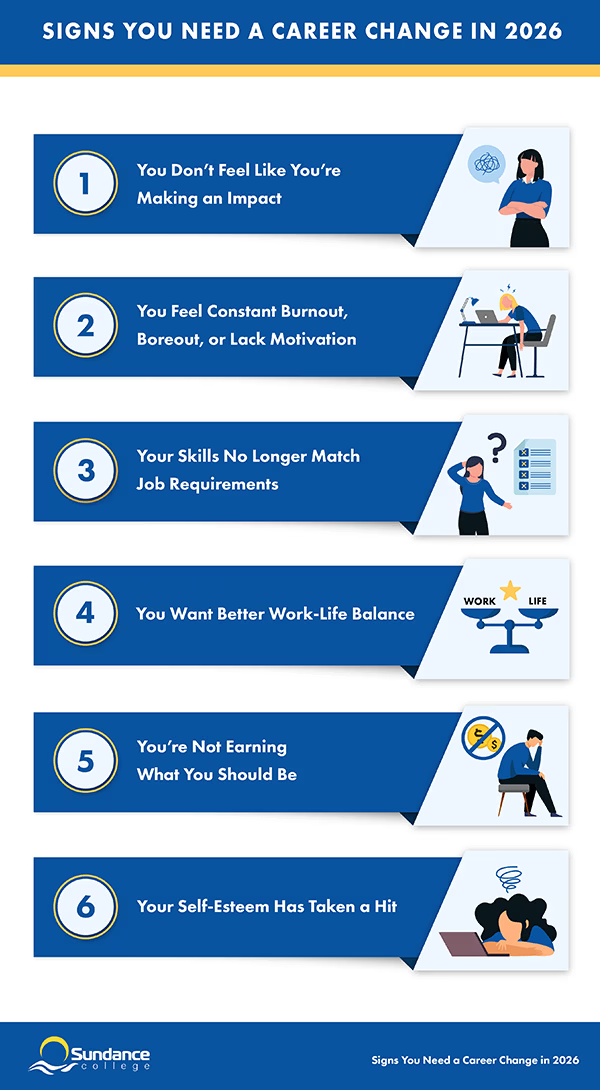
1. You Don’t Feel Like You’re Making an Impact
There are many ways to make an impact at work, including helping others, contributing to a strong team effort, building accomplishments, and achieving valuable results.
If you feel that your work makes a difference, you’re probably motivated and fulfilled. On the other hand, when work feels pointless, it can drain your energy.
If you’ve been feeling this way for a while – it could be time for a new career.
2. You Feel Constant Burnout, Boreout, or Lack Motivation
Are you feeling exhausted? Overwhelmed? Stretched too thin? Do you go home drained, with nothing left to give? Your job may be burning you out.
Perhaps you’re feeling underchallenged, unaccomplished, and mentally checked out. You watch the clock at work, lacking any feeling. There’s a term for that too: boreout.
Both of these conditions can lead to similar symptoms: insomnia, headaches, and other health issues. When you genuinely enjoy what you do for a living, the chances of burnout or boreout drop and your personal life benefits just as much as your professional opportunities.
3. Your Skills No Longer Match Job Requirements
If your role feels harder to keep up with than it used to, you may be experiencing a growing skills gap.
Sam D., a member of Sundance College’s Career Services Team, explains that industries are evolving quickly, and technology is changing how work gets done across nearly every sector.
“What employers expect today isn’t always what was required even a few years ago. There are technical skills they expect to see on your resume, as well as softer skills that can help you stand out.”
This shift creates opportunities. Whether you’re considering an entirely new direction or aiming to move ahead in your current career, upskilling may be needed to help you stay relevant and competitive.
4. You Want Better Work-Life Balance
Answer this: Do you have room for hobbies, family time, travel, or even a little rest right now?
When your income depends on covering shifts, being constantly available, or juggling multiple jobs, work can completely take over your life. Evenings, weekends, and holidays end up becoming a part of your schedule, leaving little time for much else.
This is what happens when your role is tied to hours, and workers in your field are easy to replace.
On the other hand, careers that value your knowledge and experience often come with clearer schedules. And when you develop the sought-after skills employers are looking for, there are more career opportunities and a chance to control your own schedule.
This better work-life balance doesn’t just mean more time with your loved ones; it can improve your mental and physical health, and even your work performance!
5. You’re Not Earning What You Should Be
Many people find themselves underpaid despite taking on more responsibility, gaining experience, or working longer hours. When everyday expenses continue to climb but your income stays the same, it can create ongoing stress and limit your plans for the future.
Building the qualifications for a different career path can be a practical way to regain financial stability. Working in a role with clearer advancement opportunities or higher earning potential can help you break out of being underpaid and build more security over time.
A career change isn’t just about earning more; it’s about creating a foundation that supports your goals, your lifestyle, and your long-term peace of mind.
6. Your Self-Esteem Has Taken a Hit
Have you been feeling unsure of yourself or your abilities? Maybe you find yourself shying away from responsibility for fear that you might fail? This is a sign that your esteem has taken a hit from years of feeling unfulfilled at work.
If this sounds like you, take a step back and reassess where your skills lie. Are you good with people? With numbers? Maybe you like to organize people, events, or things?
Leaning into your interests and building skills that can get you into a role you enjoy can be the difference between a Sunday evening filled with dread or excitement.
7. You’re Reading This Article
The seventh telltale sign that you need a career change: you’re reading this article!

How to Make a Career Change in 2026
These signs point in a clear direction: it’s time for a career change. Life is too short to be miserable on a daily basis, but how do you make a change when you have work and personal commitments, and can’t take four years off to go to school? It is possible with a career college.
Career colleges focus on practical education, combining industry-relevant coursework, hands-on experience, structure that supports personal commitments, and life-long job search support. A career change starts with learning how a career college diploma can open the door to new opportunities.
How Sundance College Can Help You Change Careers
Sundance College readies you for a new in-demand career in less than a year by providing:
- Career-focused diploma programs that train you in the skills that employers are looking for
- Flexible online and modular learning to balance coursework with work and other commitments
- Practicum opportunities to put your skills to real-world use
- Lifelong support from Career Services, including resume preparation, interview practice, and job search assistance
Sam D. reminds us that employers are actively seeking candidates who are properly trained.
“Industry-experienced instructors help students understand the nature of jobs in these in-demand roles. Completing a practicum puts this into sharper focus. This combination helps people perform strongly in interviews and impress employers.”
For employers, this means candidates who are prepared to contribute from day one. For students, it means relevant experience, job-search support, and the ability to demonstrate job-ready skills.
This readiness is part of the reason that 84% of Sundance College students find work in their chosen field within six months of graduation.
Don’t ignore the signs. Find out which careers are best suited to you and which ones have the best prospects in the coming years.
Frequently Asked Questions (FAQ)
-
How do I know if I should switch careers?
If you’re noticing ongoing job dissatisfaction, a lack of motivation, or persistent burnout, it may be time to reassess your path. Feeling stuck, underpaid, or disconnected from your work is often an indicator that your current role no longer fits your goals, skills, or lifestyle.
-
How long does retraining take?
Retraining time depends on the path you choose, but the best career-focused diploma programs prepare students for work in under a year and include a practicum work experience. These programs focus on practical, job-ready skills, allowing you to transition into a new role more quickly than traditional post-secondary education.
-
What careers are best for career changers?
The best options for career changers are in-demand careers with strong job outlooks and clear entry paths. Fields like healthcare, business administration, accounting, legal assistance, hospitality management, and information technology offer opportunities for growth, stability, and advancement with the right training.
-
Can I afford to go back to school as an adult?
All of Sundance College’s programs are eligible for government student loans for Canadian citizens and Permanent Residents. Flexible learning options allow you to balance school with work and personal responsibilities. This makes it possible to maintain employment during studies. It’s helpful to think of it an investment in future earning potential and career satisfaction.
-
How do I overcome the fear of changing careers?
Career change fear is common and completely normal. The key is breaking the process into manageable steps and leaning on available support including family, friends, and your college.
At Sundance College, students have access to several levels of support. The Student Services team helps with academic and personal support. It also guides students through the financial process. The Career Services team helps with job search, strategy, resume building, and interview practice. Mental health support is also available 24/7 through our wellness program.
-
What if I don’t know what career to choose?
If you’re unsure which direction to take, explore different options, learn about job roles, and understand how your skills and preferences align with each career. You can also determine which career is best for you by taking an online career quiz.
Subscribe for more career advice
Blog Categories
Share on: