
Blog / 5 Holiday Mental Health Tips
Sundance Blog
5 Holiday Mental Health Tips

Explore our Diploma Programs
Fields of Study:
- Business, Hospitality, and Legal
- Health and Human Services
- Technology
Explore our Diploma Programs Learn more
Student aid eligible
15 December 2025 | Author: Vallankan Mendonca
| Read Time:
Quick Answer
To take care of your mental health during the holiday season, identify what’s draining you, think about where you want to be this time next year, put yourself back on your own list, let go of habits or commitments that no longer support you, and take one meaningful step toward the life you want.
Table of Contents
The holiday season is a time of joy, but it can also come with a growing list of responsibilities. There might be gatherings to plan, gifts to buy, meals to prepare, and people who hope to see you. It can feel like a lot to manage at once.
The pressure to show up for family and friends, stick to a budget, and still find time for yourself can add up quickly. So how do you cope with all of that?
Understanding the sources of stress is the first step. More people are openly acknowledging holiday stress today. In fact, 52% of Canadians report experiencing anxiety, depression, or isolation during the holidays, showing just how common these experiences are.
When you know what affects your mental well-being during the holidays, it becomes easier to respond effectively.
Let’s explore the factors that impact your mental health and what you can do to make the holidays feel more enjoyable.
Christmas Anxiety
Christmas anxiety is the feeling of dread or fear that some people experience in the weeks leading up to Christmas. It’s usually caused by a combination of factors, including unrealistic expectations, pressure to spend money, expectations about family time, and the general stress of the holidays.
The holiday season can complicate people’s lives with all that’s going on, sometimes to the point of depression or anxiety. This phenomenon has been called the holiday blues.
A survey shows how deeply the holidays affect Canadians:
- 1 in 4 Canadians experience increased anxiety
- 1 in 4 women report feeling depressed
- Youth crisis calls increase by 23%
These numbers show that holiday stress is more common than many realize. The emotional expectations, financial pressures, and social demands of the season can influence how people feel long before the celebrations begin.
Mental Health Challenges Around The Holidays
Holiday blues aren’t the same as clinical depression. They’re short-term feelings that can surface during the holidays and affect your mood, especially when routines change or expectations increase. On their own, these feelings usually pass. When paired with financial strain, family pressures, or loneliness, they can heighten anxiety or make existing concerns harder to handle. Seeing them as challenges rather than threats can help you respond in a healthier way.
Several factors can influence your mental well-being during the holidays. In December and January, common experiences include:
- Holiday Blues: Feeling sad, stressed, or disconnected during the holiday season, often due to financial pressure, social obligations, or loneliness.
- Post-Holiday Blues: A dip in mood that appears after the holidays when regular routines resume, bills are due, and the excitement of the season is gone.
- Seasonal Affective Disorder: A form of depression linked to reduced daylight in winter that affects mood, sleep, and energy until longer days return.
For many people, these experiences often overlap with everyday responsibilities. Work demands, family expectations, parenting duties, and financial pressures all compete for attention, leaving little room to rest.
This is why paying attention to your mental health during this period matters. When you understand what affects you, it becomes easier to manage the pressure before, during, and after the holidays.
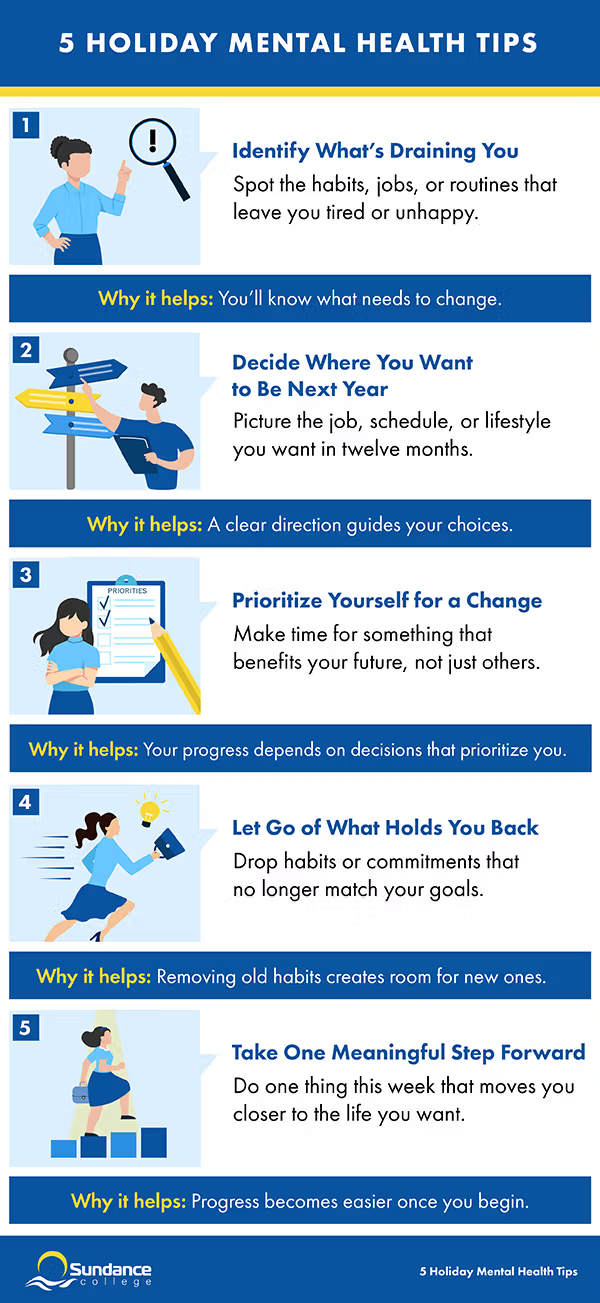
5 Holiday Mental Health Tips

Holiday commitments like family plans, social events, and gift-related errands can take over your day quickly. When that happens, your mental health can be affected without you even realizing it. Paying attention to how you feel during this time can take some of the pressure off the season. Here are five ways to do that:
1. Identify What’s Draining You
The holidays are a good time to see what parts of your life no longer work for you. Are you stuck in a low paying job with limited options? Do unpredictable working hours wear you out? Have you lost interest in the work you do?
Identifying what feels off gives you a starting point for change and eases the pressure of ignoring it.
2. Decide Where You Want to Be This Time Next Year
Once you know what is draining you, decide what you want the new year to look like. Do you want a job that covers your bills and will lead to a better future? Shifts that let you spend time with your family instead of rushing from one place to another? Work that uses your strengths instead of holding you back?
When you visualize specific changes, decision-making becomes easier. You start noticing which choices lead you toward a better life than the one you have now.
3. Put Yourself Back on Your Own List
It’s easy to get caught up in what everyone else needs during the holidays and forget about your own plans. When was the last time you did something for your own good? Have you been saying no to plans because someone else needed your time?
Your goals matter too, so save some time to work on them.
For example, instead of committing to events that feel obligatory or exhausting, you could use that time to explore a career interest, or make meaningful progress on a personal goal you’ve been setting aside.
Even one small action for yourself can create momentum and make the next step feel possible.
4. Notice What No Longer Supports Your Goals
As you think about the year ahead, take an honest look at what you’re still holding onto.
Are you spending hours scrolling through your phone when you could be learning something new? Do you say yes to social plans even when you’re too tired to enjoy them? Are you staying in a job out of habit rather than growth?
You do not have to carry everything into the new year. When you recognize what no longer supports the direction you want to take, you can decide what to keep and what to leave behind. This creates space to pursue the opportunities that truly matter to you.
5. Take One Meaningful Step Towards the Life You Want
Big changes often begin with a single action. What is one thing you can do this week that points you in a new direction? Could you look into a career path that interests you, update your resume, or talk to someone who works in a field you’ve been curious about?
You do not need every detail figured out. One step is enough.
When the main source of stress starts to shift, the holidays become less overwhelming and more enjoyable.
CHRISTMAS IS OVER – WHAT NOW?
Just because the holiday season has ended doesn’t mean the impact on your mental well-being disappears. As the excitement fades and the coldest part of winter sets in, you may notice shifts in your mood, motivation, or energy. Paying attention to how this time of year affects you can help you respond to those changes before they build up.
BONUS TIP!
The weeks after the holidays often give you space to think about what you want from the year ahead. This is a great time to set career and education resolutions that move you toward the life you have in mind.
As you reflect, ask yourself:
- Where do you see yourself growing professionally this year?
- Are there new skills you could learn that would open doors to better opportunities?
- Does the direction you’re headed still feel right, or is it time to consider training that aligns more closely with your interests and plans?
These questions help you get a better idea of where you stand. Once the holidays have passed and daily routines settle down, you’re in a good position to choose your next steps.
Get Your Career Back On Track
Your career is something that can improve your mental health if you approach it the right way. Making improvements on your career path, even small ones, can support your mental health overall.
Job satisfaction is incredibly important to your mental health, and it may surprise you to learn that job satisfaction is important to your physical health as well. The key is to choose the type of work that satisfies you.
A sense of purpose can channel all the positivity you’ve been fostering during the holidays and make it useful to you. If you feel more in control of your life and your future, Christmas anxiety or the post-holiday blues can’t take as much hold over you.
Sundance College’s Mental Health & Career Path Supports
Mental health doesn’t just affect how you feel – it influences how you learn, work, and plan for the future. When you’re less overwhelmed, it’s easier to think clearly about what you want next and to take steps toward it – whether that’s a change in your job, your schedule or getting the education you need to make that happen.
If going back to school to train for a new role is part of that picture, the learning environment you choose can have a real impact on your mental health. A supportive program can reduce stress and make it easier to balance school with everything else on your plate.
When you enrol in a diploma program at Sundance College, you learn in a supportive environment to help students balance academic work with personal responsibilities.
That environment includes:
- Flexible learning formats allow you to study at a pace that works for you within a structured timeframe, and access recorded lectures when needed. This makes it easier to balance school with work, family, and other commitments.
- Live onboarding introduces you to the tools and platforms used throughout your program and outlines what to expect. This helps you begin your studies with a sense of direction.
- The Becoming a Master Student (BAMS) course promotes effective study habits and goal-setting approaches. This supports consistent academic progress.
- Industry-experienced instructors share insights from the field and use examples that show how concepts are used in the workplace. They also remain available to answer questions and offer support throughout your program.
- Student Services offers academic guidance, access to wellness referrals, and early outreach when challenges start to appear. As a result, concerns can be addressed before they escalate.
- Career Services provides support with resumes, interview preparation, and employment searches, offering direction as you move toward opportunities in your chosen field.
- Mental Wellness Program gives all students 24/7 access to confidential, immediate or scheduled mental health support throughout their studies.
Here’s how that support helped. Krista C., an Addictions and Community Health Professional graduate,
“My experience at Sundance College has been really helpful. The instructors were knowledgeable, supportive, and dedicated to our success. The flexibility to go at my own pace and watch recorded lectures at my convenience was invaluable, allowing me to balance my studies with other commitments.”
When you have support behind you, pursuing your career goals feels more achievable and easier to stay committed to. These support systems help you stay focused throughout your program, whether you’re pursuing opportunities in healthcare, technology, business, legal services, or hospitality.
To get started, contact an admissions advisor today.
FAQs
-
What is a common source of stress during the holiday season?
A common source of stress during the holiday season is feeling pressured to keep up with plans, expectations, or routines that don’t match what you want. When your time gets divided between work, family, and holiday commitments, it becomes hard to focus on your own needs.
-
How can you handle holiday stress?
Handle holiday stress by noticing what causes it and choosing what deserves your time. If certain plans, work demands, or routines leave you drained, replace them with choices that support the life you want to build in the new year.
-
What are effective self-care strategies during holiday breaks?
Self-care during the holidays can include choosing activities that match your priorities, slowing down when days feel busy, planning your time before agreeing to commitments, and finding small ways to help others. These approaches reduce stress and give you more control over how you spend your break.
-
What are the main mental health challenges during the holiday season?
People can experience anxiety from financial pressures, family expectations, and disrupted routines. These pressures may lead to stress or the holiday blues. At Sundance College, Student Services is available when academic, personal, or financial challenges arise, offering support and referrals so you do not have to manage those difficulties on your own.
-
When is it necessary to seek professional support for holiday-related stress?
It may be time to seek support when stress begins to interfere with everyday responsibilities, sleep, relationships, or your ability to function. If feelings such as worry, sadness, or irritability continue for an extended period, reaching out can make a difference.
-
How can you stay connected and supported if you’re spending the holidays away from family?
Stay connected by reaching out to people you trust, joining community or online activities, or making time for conversations with friends and family. These efforts reduce isolation and remind you that you don’t have to go through the season alone.
Subscribe for more career advice
Blog Categories
Share on: